
About All ToursFrom Las Vegas ToursStargazing ToursHiking ToursSelf-Guided Audio Tours Directions Hours & Fees
Find Tours 
Explore the extreme landscapes of Death Valley at your own pace with a self-guided audio tour. These GPS-powered apps provide offline maps, autoplaying stories, and flexible itineraries starting at just $13.59.
 Free Cancellation
 Explore Death Valley’s salt flats and badlands at your own pace while hearing stories of the Gold Rush.
 Free Cancellation
 Experience the vast salt flats, shifting dunes, and panoramic mountain views of Death Valley at your own pace.
 Free Cancellation
 Explore Death Valley with an audio guide that automatically plays stories and directions based on your GPS location.
Read what travelers share about their experience visiting Death Valley — from practical tips to personal highlights.
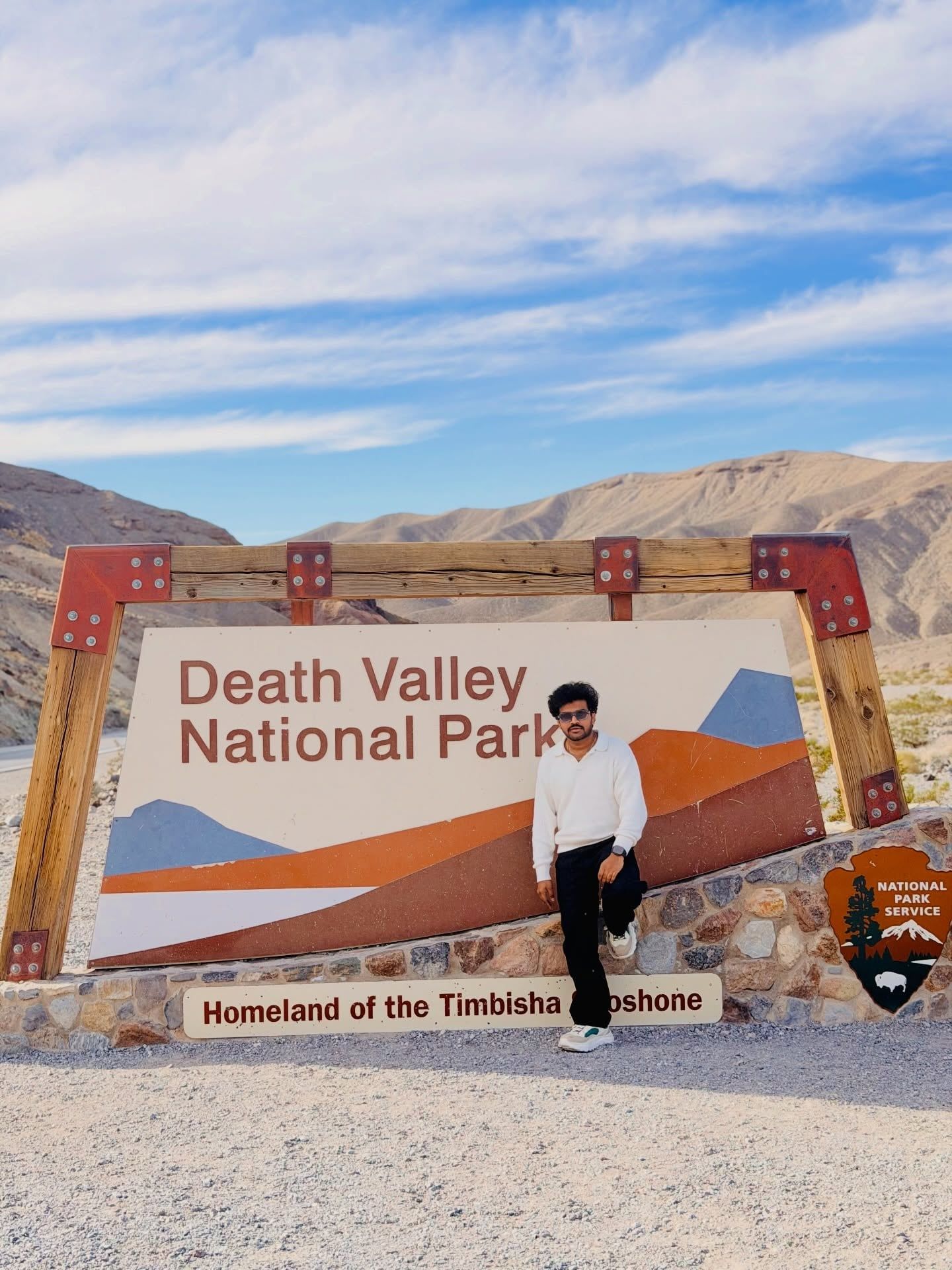

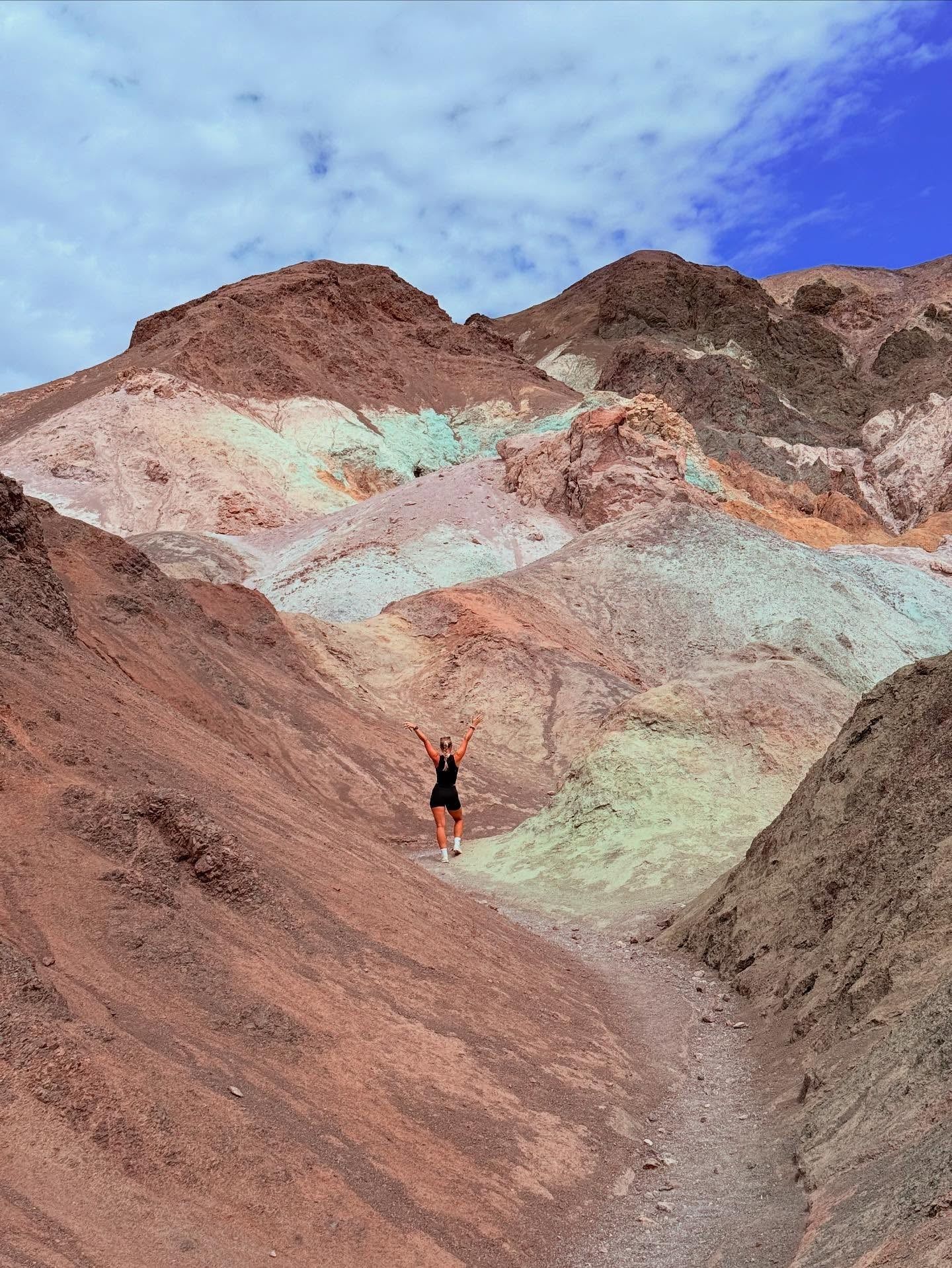
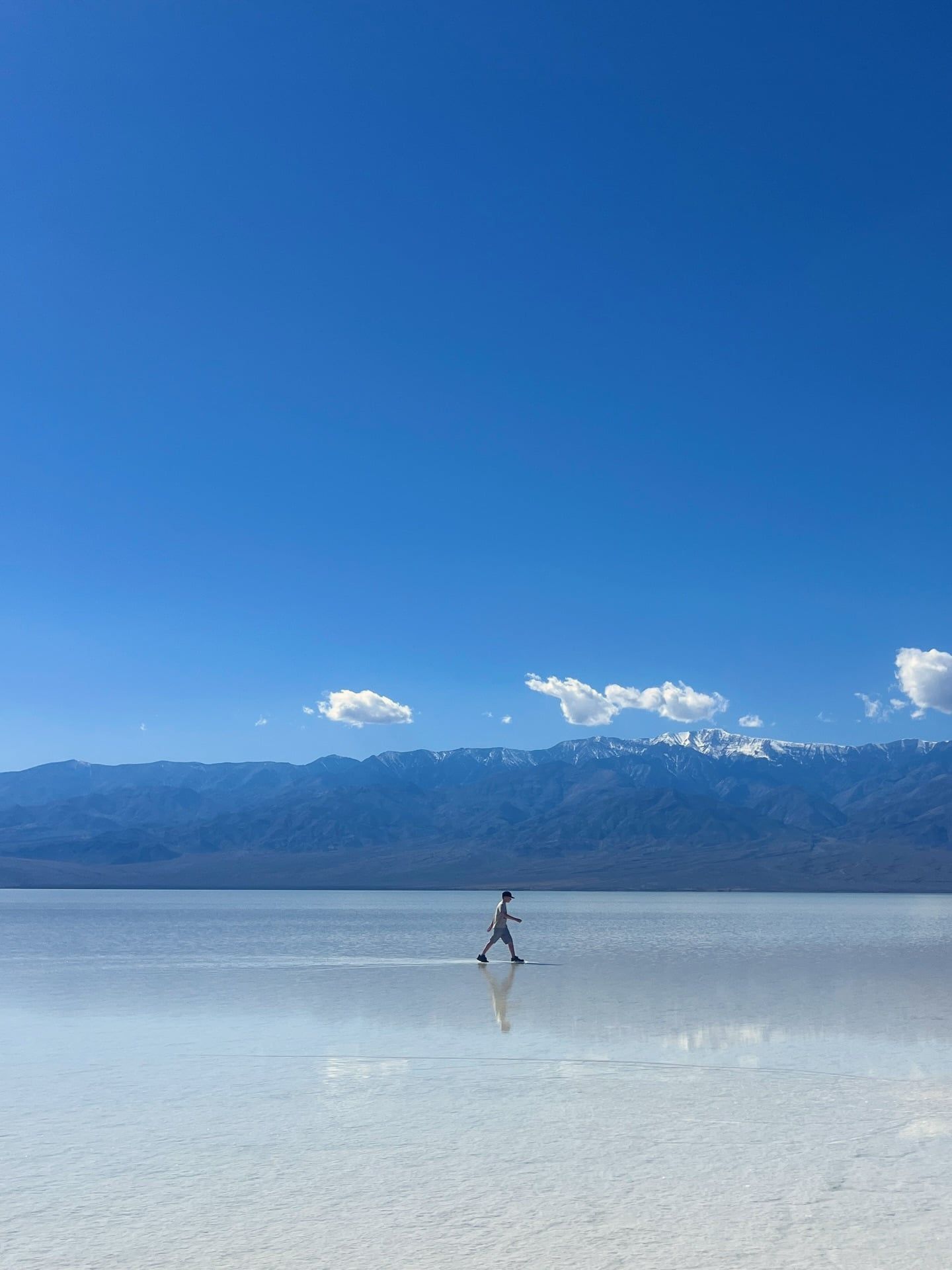
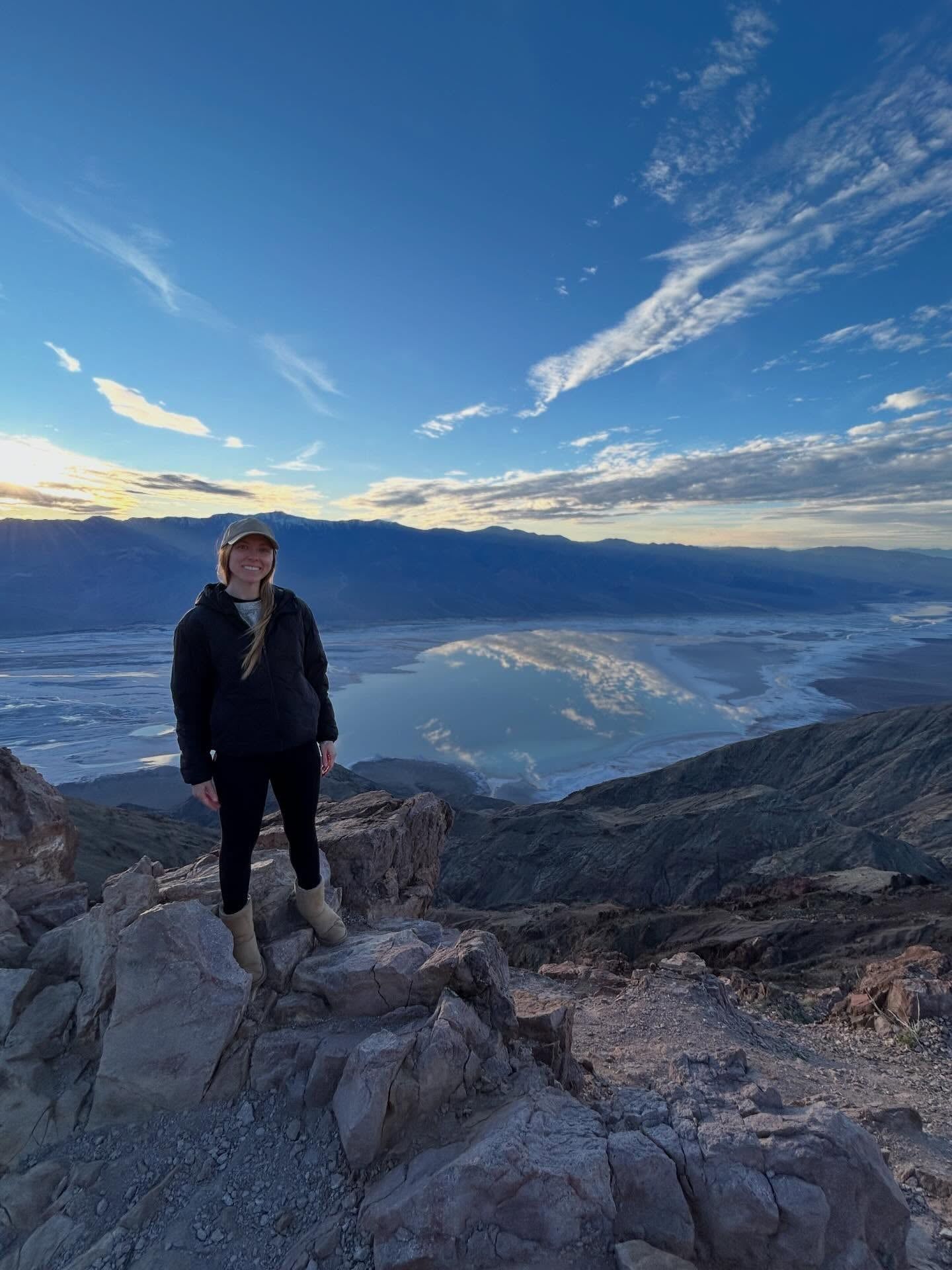
A self-guided audio tour of Death Valley National Park transforms your smartphone into a personal tour guide, allowing you to explore the extreme desert landscapes at your own pace. Using GPS technology, these apps automatically trigger fascinating stories about the area's geology, history, and pioneers as you drive through the park. You'll have the freedom to pull over at scenic viewpoints, take short hikes, and enjoy the comfort of your air-conditioned vehicle while navigating the hottest and lowest place in North America.
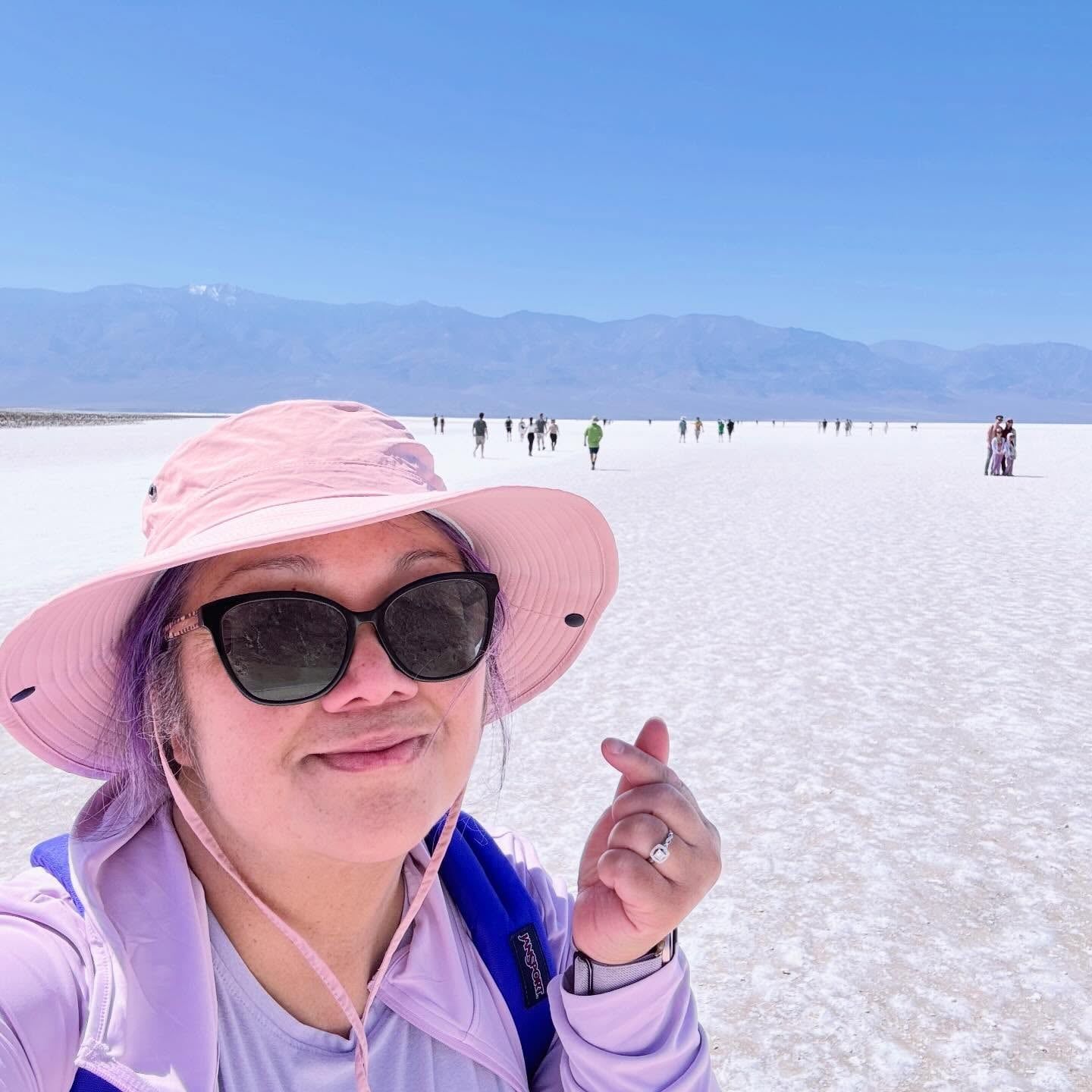
Walk out onto vast, geometric salt flats at the lowest point in North America, sitting 282 feet below sea level. Your audio guide will explain how these unique salt crusts formed in this extreme environment.
Look out over a golden, undulating sea of layered badlands and ridges. This is the park's most iconic spot for sunrise photography, offering breathtaking views as the morning light hits the rock formations.
Drive a winding, one-way loop through canyons splashed with vibrant shades of green, pink, gold, and purple. The audio tour dives into the volcanic mineral deposits that create this hand-painted landscape.
Explore massive, shifting sand dunes that rise dramatically from the valley floor. It's a classic desert experience where you can hike out into the sand to watch deep shadows form in the late afternoon.
Step back into the 1880s mining boom and view the preserved ruins of the borax processing plant. Learn the history of the famous 20-mule team wagons that hauled minerals across the unforgiving desert.
Stand at the rim of a massive volcanic crater formed by a powerful steam explosion just 2,000 years ago. You can hike the steep rim trail or simply marvel at its immense depth from the viewpoint.
Preparing for a self-guided audio tour requires a bit of planning, especially since Death Valley is a remote wilderness with virtually no cell service. Here is what you need to know before you buy your digital guide.
These tours are entirely self-guided and run through dedicated mobile apps like GuideAlong, Shaka Guide, or Action Tour Guide. There is no in-person guide to meet; you simply connect your phone to your car's audio system via Bluetooth, USB, or an Aux cable.
You only need to purchase one audio tour per vehicle, making this an incredibly cost-effective way for families and groups to explore the park. Everyone in the car can listen to the narration together as you drive.
Death Valley has almost zero cellular reception. It is absolutely critical that you download the tour app and the specific tour data to your phone over a strong Wi-Fi connection before you enter the park.
The audio tour purchase does not cover your admission to Death Valley National Park. You will still need to pay the $30 per vehicle entrance fee at a visitor center or automated kiosk upon arrival.
Most of these audio tours come with lifetime access and never expire. You can use the tour over multiple days, pause it whenever you want, and even reuse it on future trips to the park.
Because you'll be driving extensively, make sure your car is in excellent condition. Gas inside the park is notoriously expensive ($5 to $6 per gallon), so fill up your tank in surrounding towns like Pahrump or Beatty before heading in.
Self-guided driving tours are perfect for all physical fitness levels, including elderly visitors and children. You can enjoy the vast majority of the stories and viewpoints directly from the comfort of your air-conditioned vehicle.
If your travel plans change, most of these digital tour providers offer a full refund if you cancel at least 24 hours before your scheduled departure date. However, since the tours don't expire, you can also just save it for later.
| GuideAlong (GyPSy Guide) | Shaka Guide | Action Tour Guide | |
|---|---|---|---|
| App Platform | GuideAlong App | Shaka Guide App | Action Tour Guide App |
| Price (Per Vehicle) | $19.99 | $13.59 | $16.99 |
| Notable Features | 220+ audio points, in-app trip planners, flexible routes | Includes local music, restaurant recommendations, offline map | Text transcripts available, suggested stop-by-stop itinerary |
| User Rating | 4.6 / 5.0 | 4.6 / 5.0 | 4.2 / 5.0 |
Park Hours: Death Valley National Park is open year-round, 24 hours a day, 7 days a week. You can drive into or out of the park at any time of day or night, which is perfect for catching sunrise at Zabriskie Point or stargazing after dark.
Visitor Centers: While the park itself never closes, the main Furnace Creek Visitor Center operates daily from 8:00 AM to 5:00 PM. This is where you can speak to rangers, pay your entrance fee, and pick up physical maps.
Summer Touring: If you are visiting between May and September, you should limit your outdoor activities to the early morning hours. By mid-morning, temperatures become dangerously hot, and you should remain inside your air-conditioned vehicle while listening to your audio tour.
From Las Vegas: The most common route is flying into Harry Reid International Airport in Las Vegas. From there, it is about a 120-mile drive (roughly 2 hours) west via Highway 160 to the eastern park entrance at Death Valley Junction.
From Los Angeles: Driving from LA takes about 5 hours (270 miles). You will typically enter through the western side of the park near Panamint Springs.
Transportation: There is absolutely no public transportation or shuttle service inside Death Valley National Park. You must rent a car or bring your own private vehicle to explore the park and use the self-guided driving tours.
Winter (November to March): This is the absolute best time to visit Death Valley. Daytime highs range from a very comfortable 60°F to 80°F (15°C to 27°C). The weather is perfect for getting out of the car to explore the salt flats, hike the dunes, and enjoy the audio tour without overheating.
Summer (April to October): Visiting during these months is highly discouraged. Peak heat occurs in June, July, and August, with temperatures regularly exceeding 120°F (49°C) and occasionally hitting 130°F (54°C). If you must visit, the audio tour is actually the safest way to do it, as you can listen from inside your vehicle.
Duration: While you can do a rushed day trip from Vegas, a 3 to 4-day itinerary is recommended to fully experience the massive 3.3-million-acre park at a relaxed pace.
Audio Tours & Mobility: Self-guided driving tours are inherently excellent for visitors with mobility issues, the elderly, or families with young children, as the core experience happens while sitting in your personal vehicle.
Accessible Viewpoints: Many of the park's most famous highlights require little to no walking. You can view Artist's Palette, Devil's Golf Course, and Father Crowley Vista Point directly from your car or a paved pullout.
Wheelchair Trails: The park features several accessible paths. The Salt Creek Trail has a one-mile wooden boardwalk loop that is fully wheelchair accessible. Badwater Basin and Dante's View also feature paved paths and ramps, though you should be cautious of the heat.
Entrance Fees: The park charges a $30 entrance fee per private vehicle, valid for 7 days. Death Valley is completely cashless; you must pay with a credit or debit card at the visitor center or 24/7 automated fee machines.
Gas Stations: There are gas stations at Furnace Creek, Stovepipe Wells, and Panamint Springs. However, prices are extreme, often reaching $5 to $6 per gallon. Fill up outside the park if possible.
Food and Water: Dining options are very limited and expensive. Pack plenty of your own snacks and meals in a cooler. More importantly, the National Park Service strongly advises carrying at least one gallon of water per person per day to prevent severe dehydration.
No, you do not need cell service while in the park. However, you must download the tour app and the specific Death Valley tour data to your phone over Wi-Fi before you arrive, as cellular reception is practically non-existent inside the park. Once downloaded, the app uses your phone's internal GPS to trigger the audio offline.
No, the audio tour is a separate purchase. You will still need to pay the $30 per vehicle entrance fee to the National Park Service. This can be paid via credit or debit card at the Furnace Creek Visitor Center or at automated fee machines, as the park is completely cashless.
No, you only need to purchase one tour per vehicle. You can connect your phone to your car's stereo via Bluetooth, an Aux cable, or USB, allowing everyone in the car to listen to the stories and directions together.
Because the tour is self-paced, it takes as long as you want. You can rush through the main highlights in a 4 to 6-hour day trip, but it is highly recommended to spread the tour over 2 to 4 days so you can take your time at stops like Badwater Basin and Ubehebe Crater without feeling hurried.
Using GPS continuously will drain your battery faster than normal. It is highly recommended that you bring a USB or USB-C car charger adapter that plugs into your vehicle's 12V outlet (cigarette lighter) to keep your phone fully charged while driving.
There is no need to worry if your plans change. The self-guided audio tours offer lifetime access and never expire. You can start, pause, and resume the tour on any day, and even use it again if you return to Death Valley years later.
Summer temperatures in Death Valley regularly exceed 120°F (49°C), which is extremely dangerous. If you visit between May and September, a driving tour is the safest option because you can stay inside your air-conditioned car, but you should avoid hiking and limit your time outside the vehicle to just a few minutes.
Yes, most of the apps offer flexible routing. Whether you are driving in from Las Vegas via Death Valley Junction or coming from Los Angeles through Panamint Springs, the GPS will recognize your location and play the appropriate stories and directions for your route.
Yes, there are gas stations at Furnace Creek, Stovepipe Wells, and Panamint Springs. However, prices are notoriously high, often ranging from $5 to $6 per gallon. It is best to fill your tank completely before entering the park boundaries.
Yes, you can bring your dog in the car, but National Park rules are strict. Pets are allowed on paved roads and at developed pullouts (on a leash), but they are not allowed on any hiking trails or off-road areas. Be extremely cautious of the heat, as hot pavement can burn their paws.
Browse verified tours with free cancellation and instant confirmation.
Find Tours


This self-guided driving tour leads you through the extreme landscapes of Death Valley National Park, from its sprawling salt flats to the colorful rock formations of the badlands. As you drive, the audio guide shares the history of the region, focusing on the Gold Rush miners who navigated this environment. The route covers the park's major landmarks and provides historical context for each site. After booking, download the Action Tour Guide app and enter your password while connected to the internet. Since cellular service is limited in the park, the tour is designed to work offline once downloaded. You only need one purchase per vehicle, allowing all passengers to listen to the narration simultaneously. Your access never expires, so you can use the tour for any future visits to the park.
For a full refund, cancel at least 24 hours before the scheduled departure time.
English, French


This self-guided audio tour navigates the extreme landscapes of Death Valley National Park, from its salt-crusted basins to high mountain overlooks. You’ll visit iconic landmarks like the Mesquite Flat Sand Dunes and Badwater Basin, the lowest point in North America. Along the way, the guide provides historical context and points out unexpected connections to popular culture that define this desert wilderness. The itinerary includes stops at Zabriskie Point, famous for its sunrise and sunset views, and Dante’s View, which offers a bird's-eye perspective of the valley floor. Your purchase includes lifetime access to the tour, which never expires, and is backed by a 100% satisfaction guarantee and dedicated customer support. To begin the journey, download the Shaka Guide app to access your tour content.
For a full refund, cancel at least 24 hours before the scheduled departure time.
English


This self-guided audio tour transforms your drive through Death Valley National Park into a narrated journey. Using your phone’s GPS, the app automatically triggers stories and directions as you reach specific landmarks, allowing you to focus on the road while learning about the park’s history and geology. Because the tour works entirely offline, you won’t need to worry about the park’s limited cell service. The route covers essential stops like Badwater Basin—the lowest point in North America—and the iconic vistas at Zabriskie Point. You’ll also be guided through the winding, colorful hills of Artist’s Drive and other hidden spots that are easy to miss on your own. With suggested itineraries for half-day or multi-day trips, you have the flexibility to stay as long as you like at any location. Each purchase is valid for one vehicle and never expires, meaning you can reuse the tour on future trips and receive all subsequent updates for free. It’s designed to provide the expertise of a local guide while allowing you the freedom to set your own schedule.
For a full refund, cancel at least 24 hours before the scheduled departure time.
English