About All ToursFrom Las Vegas ToursStargazing ToursHiking ToursSelf-Guided Audio Tours Directions Hours & Fees
Find Tours 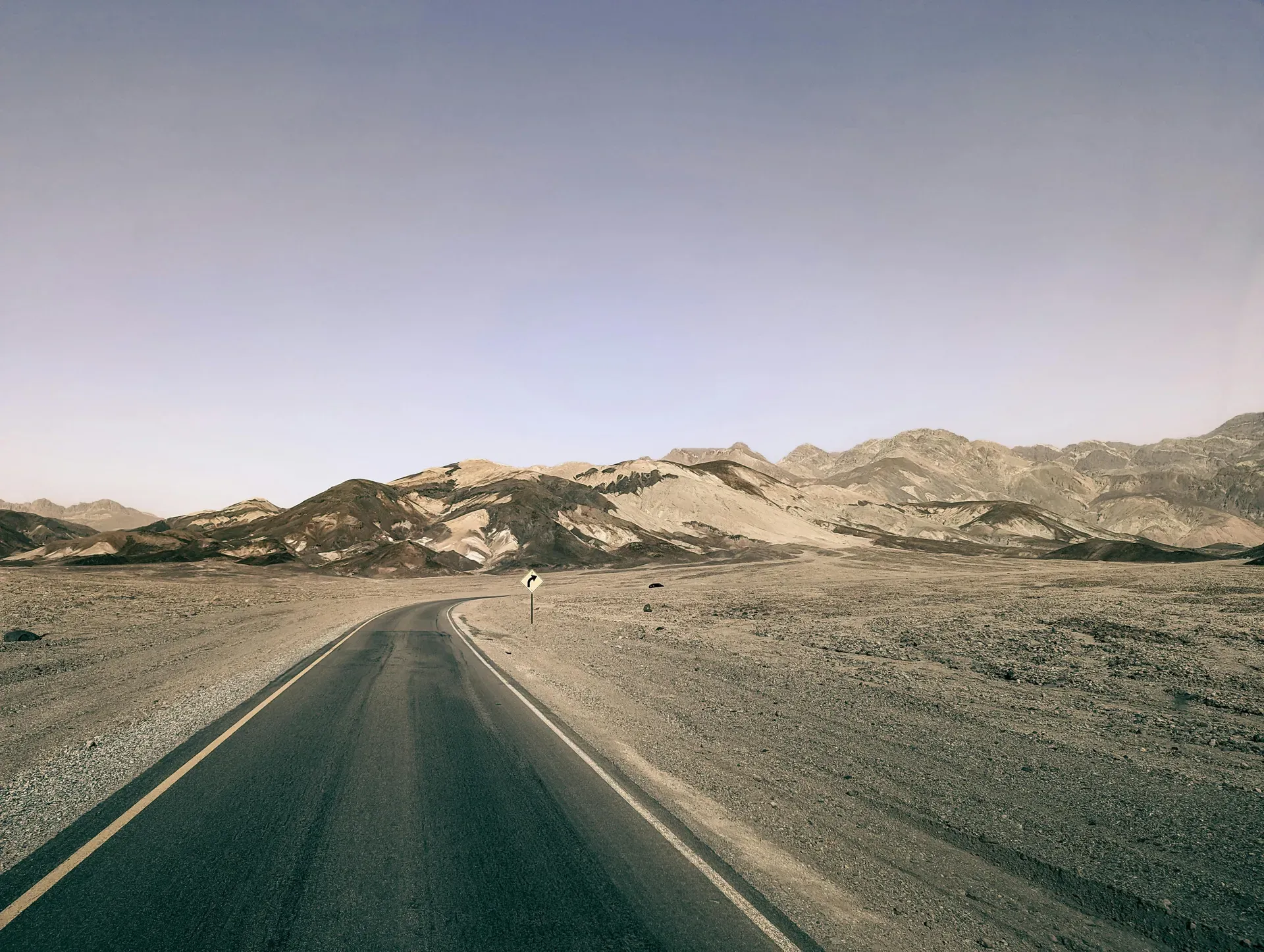
Explore the striking landscapes of Death Valley with tours that offer plenty of opportunities to step out and hike at key landmarks. Enjoy small-group excursions or flexible audio guides that let you hit the trails at your own pace, with essentials like bottled water included.
 Free Cancellation
 An owner-led, semi-private tour of Death Valley featuring Dante’s View, Artist’s Palette, and restaurant dining.
 Free Cancellation
 Explore Death Valley’s highlights and stay for stargazing under some of the country’s darkest skies.
 Free Cancellation
 Take a guided day trip from Las Vegas to explore the extreme landscapes and unique geology of Death Valley.
 Free Cancellation
 A small-group tour of Death Valley’s iconic landmarks followed by evening stargazing under dark desert skies.
 Free Cancellation
 Explore the salt flats, sand dunes, and ghost towns of Death Valley on a guided full-day trip from Las Vegas.
 Free Cancellation
 Explore Death Valley’s salt flats and canyons on a guided day trip from Las Vegas with lunch and entry fees included.
 Free Cancellation
 Explore the extreme landscapes and boomtown history of Death Valley, North America’s lowest and hottest point.
 Free Cancellation
 Explore Death Valley’s landmarks from Badwater Basin to Dante’s View, ending with a sunset and desert stargazing.
 Free Cancellation
 Explore Death Valley’s salt flats and mountain ranges at your own pace with this offline audio driving tour.
 Free Cancellation
 Explore Death Valley’s salt flats and volcanic peaks on a small-group guided day trip from Las Vegas.
Read what travelers share about their experience visiting Death Valley — from practical tips to personal highlights.
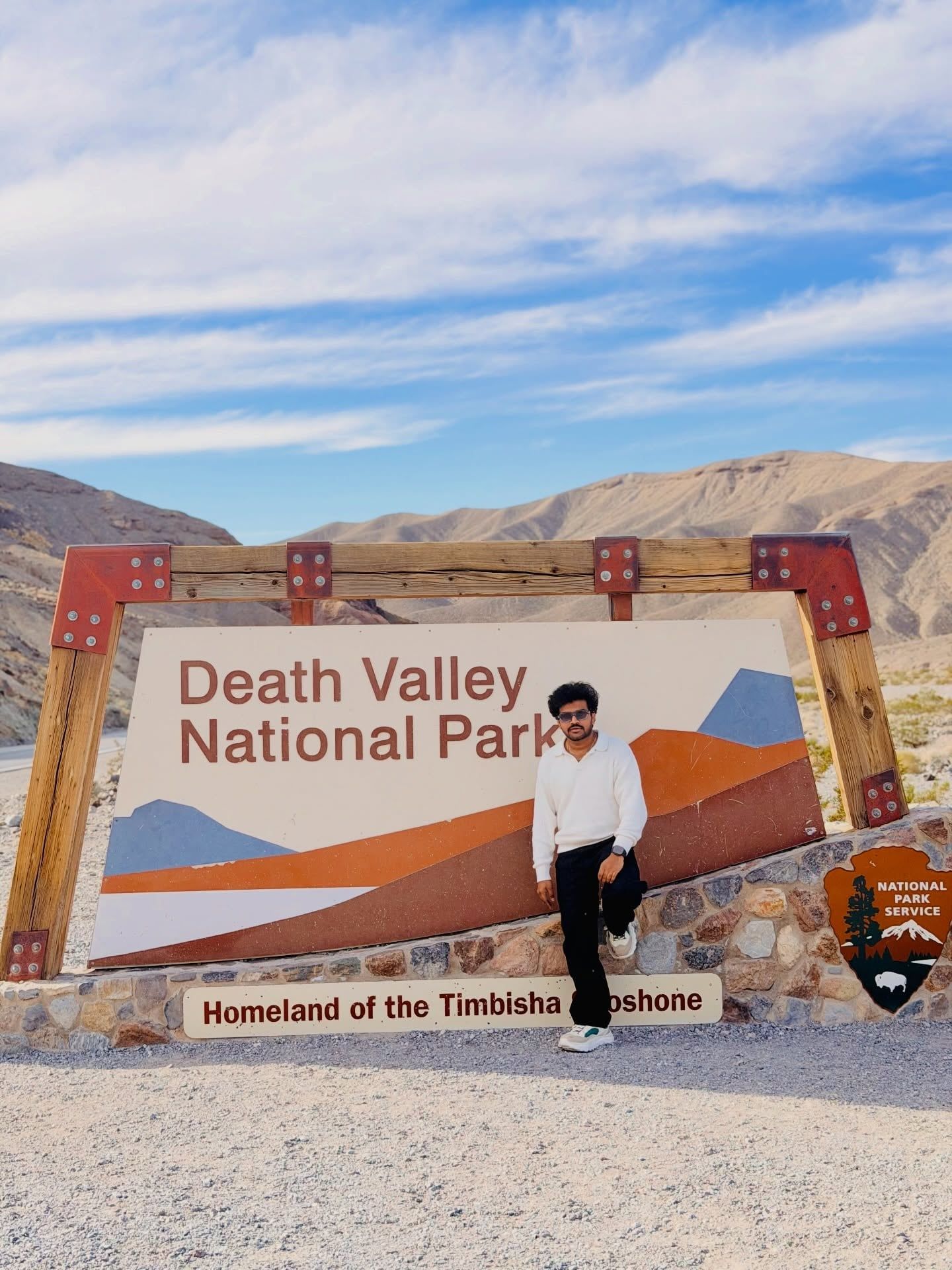
Death Valley is a land of breathtaking extremes, officially recognized as the hottest, driest, and lowest national park in the United States. On a Death Valley hiking or sightseeing tour, you can expect to explore over 3.3 million acres of dramatic, desolate landscapes, transitioning from vast, shimmering salt flats to towering sand dunes and vibrant, mineral-rich badlands.
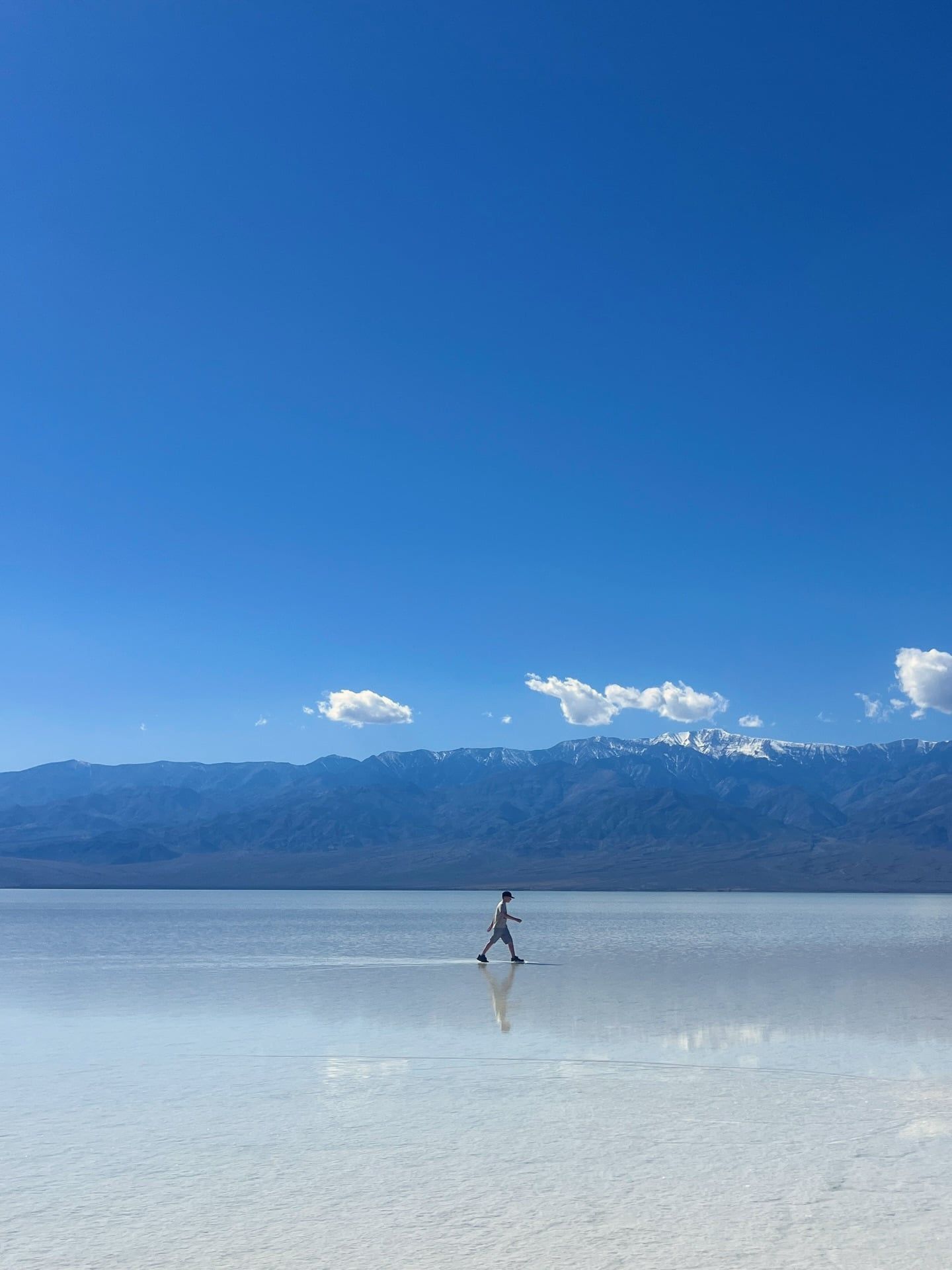
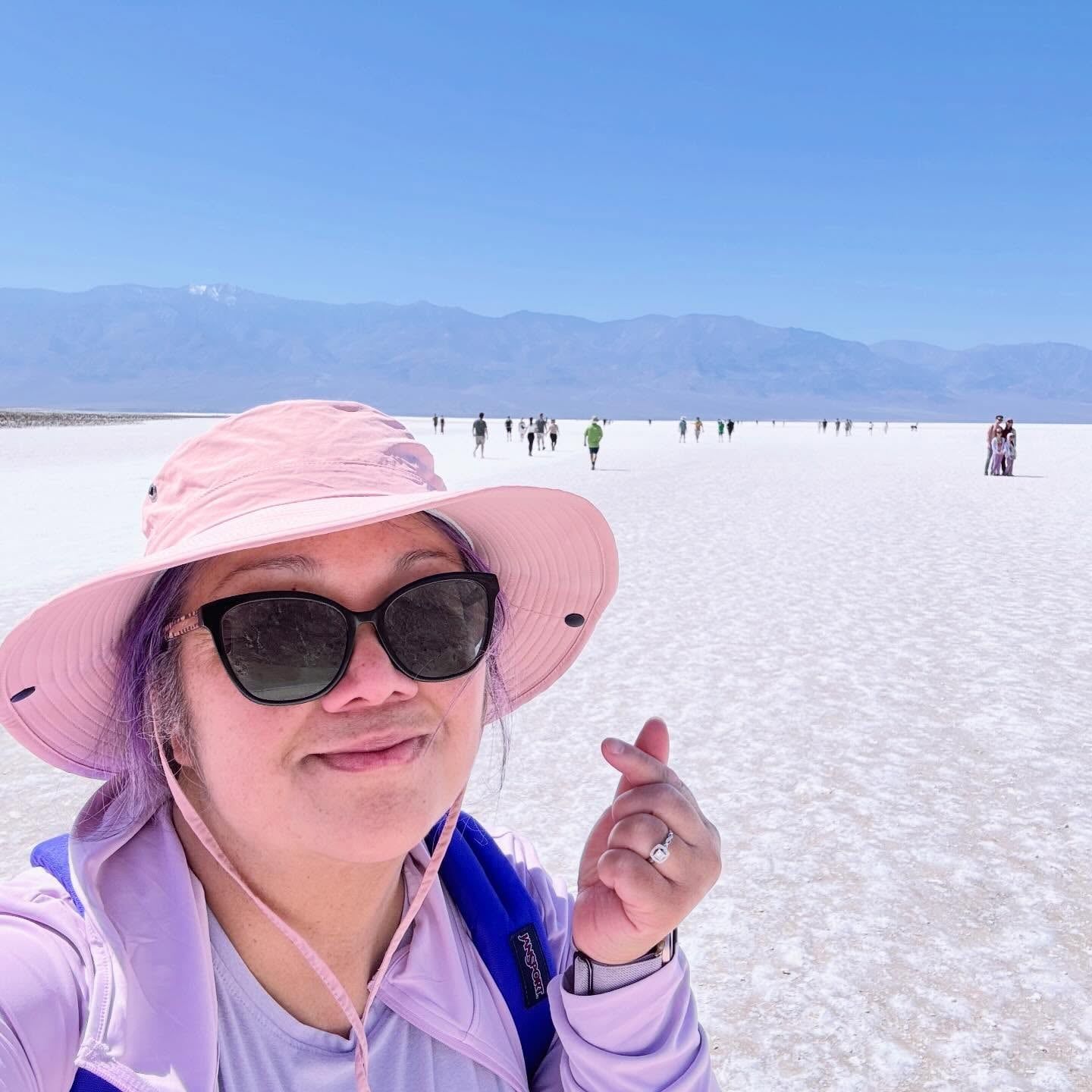
Walk out onto the vast, white geometric salt crusts at the lowest point in North America, sitting 282 feet below sea level.
Experience breathtaking panoramic views of a golden, undulating sea of layered badlands, a favorite spot for sunrise photography.
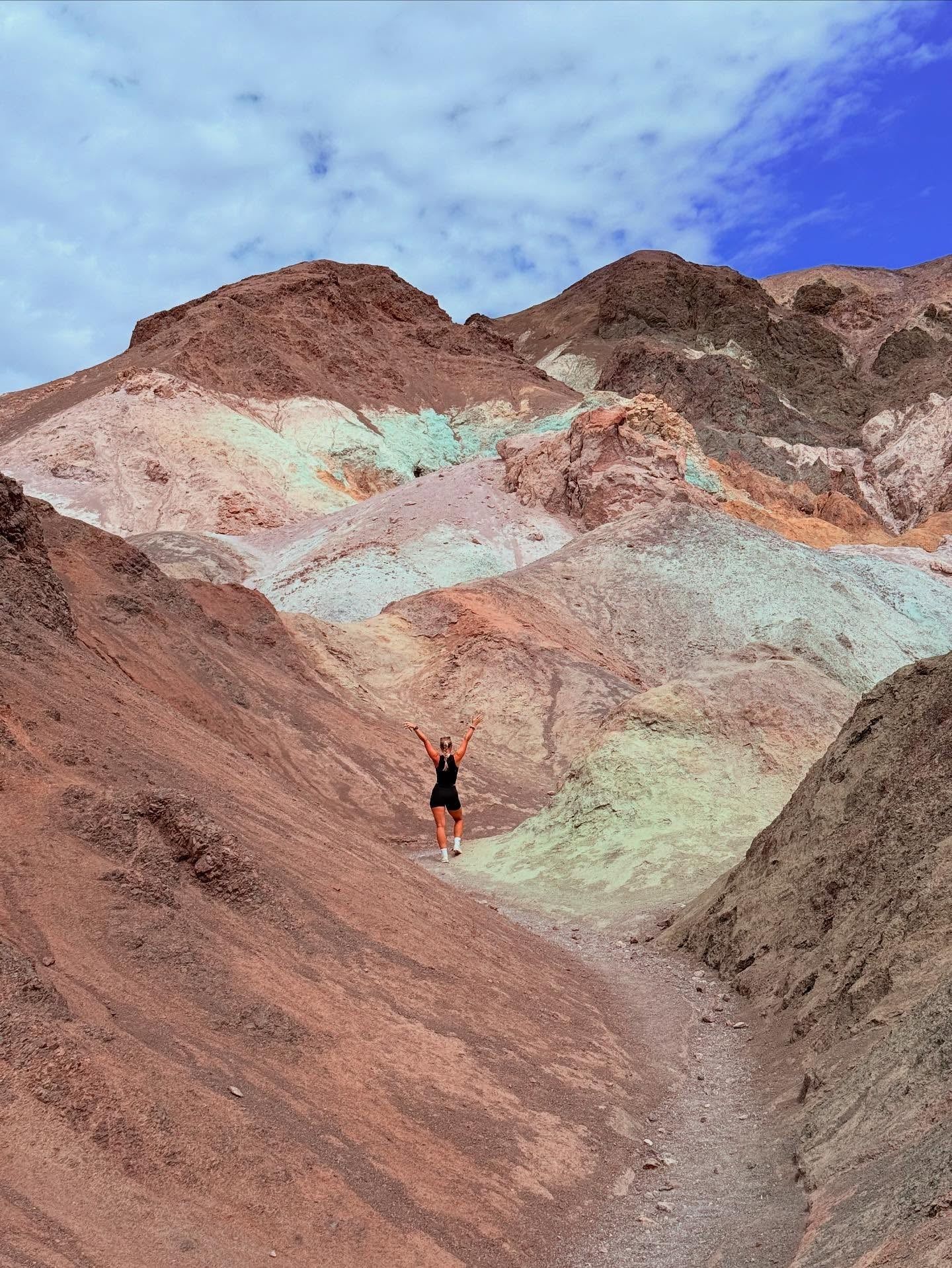
Drive through a scenic loop to witness hillsides splashed with vibrant shades of green, pink, gold, and purple caused by volcanic minerals.
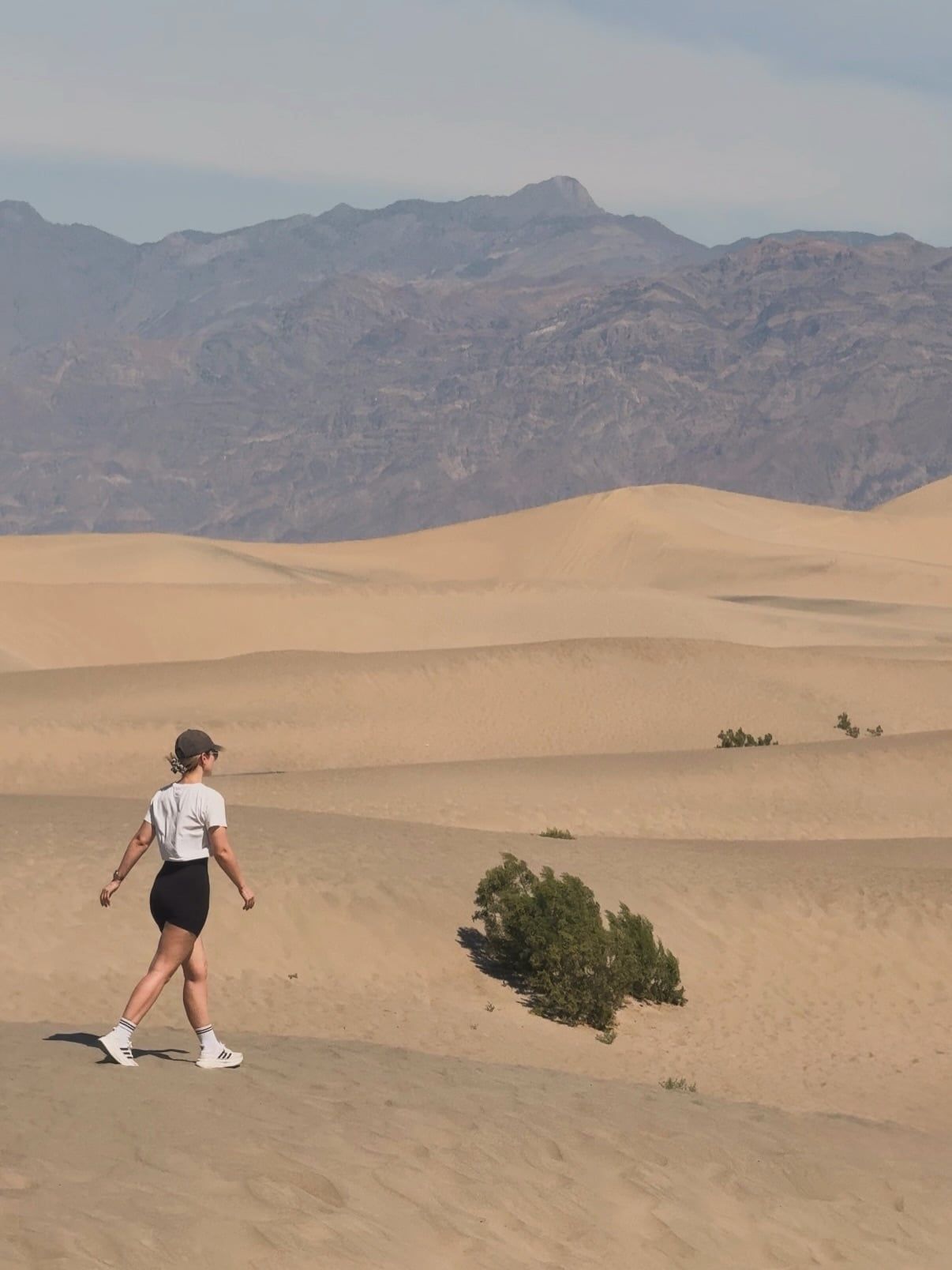
Hike out into these classic, shifting desert sand dunes to watch deep shadows cast across the landscape during the late afternoon.
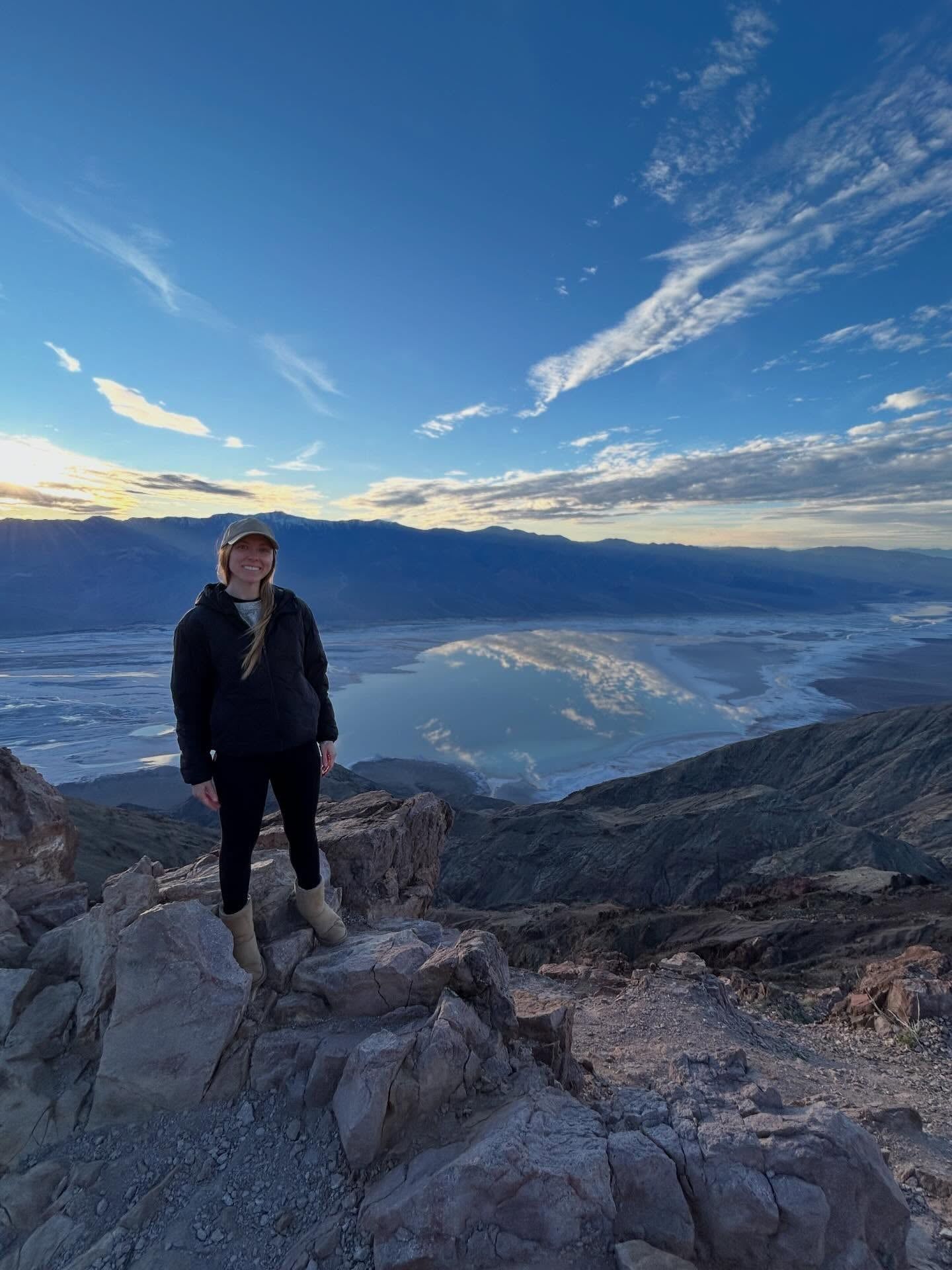
Stand at this high-altitude overlook to take in sweeping, panoramic views of the entire valley floor and surrounding mountain ranges.
Join a sunset and evening tour to experience some of the darkest skies in the country, offering unparalleled views of the stars.
Planning a trip to this extreme desert environment requires some preparation. Here is what you need to know before booking your Death Valley hiking tour.
You can choose from small-group guided day tours, specialized sunset and stargazing excursions, private custom trips, or self-guided audio driving tours. Most guided tours depart directly from Las Vegas.
Guided tours typically include the $30 Death Valley National Park entrance fee, bottled water, and round-trip transportation. Self-guided audio tours do not include the park entrance fee, which must be paid separately.
The best time to visit is from November to March when temperatures are comfortable. Tours during these peak winter months can sell out quickly, so book in advance. Summer tours operate on heavily modified, early-morning schedules to avoid lethal heat.
While most tours accommodate all basic fitness levels, they are not recommended for travelers with poor cardiovascular health or spinal injuries. Summer temperatures regularly exceed 120°F, making hydration and limited outdoor exposure critical.
The park offers accessible spots like the Salt Creek Trail boardwalk and paved paths at Badwater Basin. However, most guided tour vans are not wheelchair accessible, and some terrain requires walking on uneven ground.
Guided tours generally offer complimentary pickup from hotels on or near the Las Vegas Strip and Downtown. Exact pickup times are usually communicated by the operator the day before the tour via email or text.
While some premium tours include a boxed lunch or snacks, others only provide bottled water. It is highly recommended to bring your own snacks, as dining options inside the park are limited and expensive.
Most tour operators offer a flexible cancellation policy, allowing you to receive a full refund if you cancel your booking at least 24 hours before the scheduled departure time.
| Small-Group Day Tour | Sunset & Stargazing Tour | Self-Guided Audio Tour | Private Custom Tour | |
|---|---|---|---|---|
| Duration | 10-11 hours | 11-12 hours | Flexible | 10 hours |
| Best for | First-time visitors wanting a comprehensive overview of the park | Night sky photography and avoiding peak daytime heat | Independent travelers driving their own vehicle | Families or groups wanting a personalized, flexible itinerary |
| Includes | Hotel pickup, professional guide, bottled water, park fees | Hotel pickup, guide, stargazing session, park fees | GPS audio app, lifetime access, offline map routing | Private vehicle, custom route, hotel pickup, lunch |
| Price from | $164 | $229 | $17 | $297 |
Death Valley National Park is open year-round, 24 hours a day, 7 days a week. Visitors may enter or exit the park at any time, which is especially convenient for those wanting to catch a famous desert sunrise or engage in late-night stargazing.
While the park itself never closes, specific facilities have set operating hours. The Furnace Creek Visitor Center is open daily from 8:00 AM to 5:00 PM. Here, you can pay entrance fees, speak with park rangers, check current road conditions, and browse the bookstore.
If you are booking a guided tour, be aware that departure times vary drastically by season. Summer tours often depart Las Vegas as early as 3:00 AM to avoid the extreme midday heat, while winter tours typically depart between 7:00 AM and 8:30 AM.
Death Valley is located in Eastern California, and getting there requires a vehicle as there is absolutely no public transportation or in-park shuttle service available.
From Las Vegas: The park is about 120 miles away. You can drive west via Highway 160 to the eastern entrance at Death Valley Junction, which takes roughly 2 hours. Most guided tours depart from Las Vegas and include round-trip transportation from major Strip and Downtown hotels.
From Los Angeles: The drive to the western entrance near Panamint Springs covers about 270 miles and takes approximately 5 hours.
If driving yourself, ensure your vehicle is in excellent condition. Breakdowns in the extreme heat can be dangerous, and cell service is virtually non-existent in most of the park.
The absolute best time to visit Death Valley is during the winter and early spring months, from November to March. During this time, daytime high temperatures range from a comfortable 60°F to 80°F (15°C to 27°C). This weather is ideal for hiking, exploring the salt flats, and camping.
Visiting between April and October is highly discouraged for extensive outdoor activities. June, July, and August bring peak extreme heat, with temperatures regularly exceeding 120°F (49°C) and sometimes reaching up to 130°F (54°C). If you must visit in summer, you will be limited to very short walks near an air-conditioned vehicle.
Springtime can occasionally bring spectacular wildflower blooms if the winter brought sufficient rain, making late February to early April a particularly beautiful time to book a tour.
Despite its rugged terrain, Death Valley National Park offers several accessible options for visitors with mobility challenges. Many of the main scenic viewpoints, such as Devil's Golf Course, Artist's Drive, and Father Crowley Vista Point, can be enjoyed directly from a vehicle.
Note that most commercial tour vans from Las Vegas are not equipped with wheelchair lifts. Travelers requiring wheelchair-accessible transportation should contact private tour operators in advance to arrange suitable vehicles.
Facilities inside Death Valley are concentrated in a few key areas like Furnace Creek, Stovepipe Wells, and Panamint Springs. Visitors should be prepared for a remote environment.
Payment System: The park operates on a completely cashless system. You must use a credit card, debit card, or digital payment at the visitor center or the 24/7 automated fee machines to purchase your park pass.
Gasoline: Fuel is available inside the park, but prices are notoriously high, often reaching $5 to $6 per gallon. It is highly recommended to fill up your tank in surrounding towns like Pahrump or Beatty before entering.
Food and Water: Dining options are limited and can be expensive. Bring your own snacks and a minimum of one gallon of water per person per day to prevent severe dehydration in the dry desert air.
To protect the fragile desert ecosystem and ensure visitor safety, Death Valley National Park strictly enforces several rules:
Most guided small-group and private tours include the $30 National Park entrance fee in the ticket price. However, if you purchase a self-guided audio driving tour, you will need to pay the entrance fee separately at a park kiosk or visitor center.
The vast majority of guided Death Valley tours depart from Las Vegas, Nevada. Tour operators typically offer complimentary pickup and drop-off at major hotels located on or near the Las Vegas Strip and Downtown.
During the peak summer months (June through August), daytime temperatures in Death Valley regularly exceed 120°F (49°C) and can reach up to 130°F (54°C). Because of this extreme heat, summer tours often depart Las Vegas as early as 3:00 AM to visit the park before the hottest part of the day.
While the national park itself has several accessible viewpoints and a boardwalk at Salt Creek, most standard guided tour vans are not wheelchair accessible. If you require a wheelchair lift, you will need to contact a private tour operator to arrange a specialized vehicle.
Inclusions vary by operator. Some full-day tours provide a boxed lunch and snacks, while others only provide bottled water. Because dining options inside the park are limited and expensive, it is always a good idea to pack your own snacks for the day.
Visitors should wear lightweight, breathable layers, a wide-brimmed hat, sunglasses, and plenty of sunscreen. If you plan to walk on the salt flats at Badwater Basin, be sure to wear sturdy closed-toe shoes or thick sandals, as the salt crystals can be very sharp.
The drive from Las Vegas to the eastern entrance of Death Valley takes approximately 2 hours, covering about 120 miles. Guided tours usually last between 10 and 12 hours round-trip, factoring in the drive time and multiple stops within the park.
Yes, children are welcome on most tours, though some operators have a minimum age requirement of 3 or 7 years old. Many companies can provide specialized infant seats upon request. Parents must ensure children stay hydrated and limit their time outside in the heat.
You will only see the stars if you specifically book a Sunset and Stargazing tour. Standard day tours return to Las Vegas before dark. Stargazing tours take advantage of the park's incredibly dark skies, though visibility depends on moon phases and cloud cover.
After purchasing the audio tour, you download a specific app to your smartphone and enter a password. The app uses your phone's GPS to automatically trigger audio stories and directions as you drive through the park. It works entirely offline once downloaded, which is essential since cell service is rare in the valley.
Browse verified tours with free cancellation and instant confirmation.
Find Tours


This semi-private tour is led directly by the company’s two owners, ensuring a personalized experience for a maximum of seven guests. Rather than following a rigid script, we tailor the itinerary to the specific interests and physical needs of the group. We focus on providing deep historical and geological context that goes beyond a standard sightseeing drive. The itinerary covers the park's essential landmarks, including the sweeping panoramas of Dante’s View—a location frequently bypassed by larger bus tours—the vibrant colors of Artist’s Palette, and the Mesquite Flat Sand Dunes. We ensure every group sees both the highest accessible viewpoints and the lowest elevations of the valley floor. A full meal is included at a restaurant within the park. Depending on the season, we stop for either a sit-down lunch or a breakfast buffet. You won't need to pack your own food, though we recommend bringing your own snacks if you have highly specific dietary requirements that standard restaurants may not be able to accommodate.
For a full refund, cancel at least 24 hours before the scheduled departure time.
English


This small-group tour from Las Vegas visits the most famous spots in Death Valley National Park. You will stop at Dante’s View for a panoramic look at the valley floor, walk across the salt flats at Badwater Basin, and see the colorful mineral deposits at Artist’s Palette. The route also includes Zabriskie Point, timed to capture the changing light as the sun sets. Once the sun goes down, you will stay in the park for stargazing. Death Valley is known for having some of the darkest skies in the United States, making it possible to see the Milky Way and distant constellations. The stargazing portion of the trip starts about an hour and 30 minutes after sunset. Visibility of the stars depends on the weather and the moon cycle; heavy clouds, rain, or a bright moon may limit what you can see. In the event of road closures due to natural disasters or park maintenance, we will visit alternative sites instead.
For a full refund, cancel at least 24 hours before the scheduled departure time.
Korean, English


This guided tour departs from Las Vegas and travels through the Mojave Desert to reach Death Valley National Park. As the hottest and driest location in the Western Hemisphere, the park is home to a variety of unique desert landforms and geological sites that you will visit throughout the day. Round-trip transportation and bottled water are provided for all guests. For the included meal, you can choose between a beef, turkey, or vegetarian lunch. Because temperatures in the valley frequently exceed 115°F (45°C) from June through September, staying hydrated is a priority during the summer months.
For a full refund, cancel at least 24 hours before the scheduled departure time.
German, Korean, Chinese, Japanese, English, Italian, French, Spanish


This tour visits the most recognizable landmarks in Death Valley National Park with a maximum of 10 guests. The itinerary includes stops at Dante’s View, Zabriskie Point, and the Mesquite Flat Sand Dunes, as well as Furnace Creek, Badwater Basin, and the vibrant mineral colors of Artists’ Palette. There is ample time at each location for photography and short walks, and your guide is available to take photos of your group throughout the day. As evening arrives, the tour transitions to a stargazing session. Because Death Valley is a certified International Dark Sky Park, it offers some of the clearest views of the night sky in the country. To keep you comfortable throughout the desert heat, unlimited bottled water is provided for the duration of the trip. If you prefer a custom schedule or a more secluded experience, we offer private tours for families and small groups. Please contact us directly to arrange a personalized itinerary.
For a full refund, cancel at least 24 hours before the scheduled departure time.
English, Italian, Spanish


This guided day trip from Las Vegas takes you into the heart of Death Valley National Park to see its most famous landmarks. The itinerary includes a visit to Badwater Basin, the lowest point in North America, and the jagged salt spires of the Devil’s Golf Course. You will also stop at Zabriskie Point to view the park's distinct golden badlands and the Mesquite Flat Sand Dunes. Throughout the day, you will travel in an air-conditioned vehicle with a guide who provides history on the area’s geology and abandoned ghost towns. The tour is designed to cover the park's diverse terrain, from colorful canyons to vast salt flats, in a single day. All transport is included, with a return to Las Vegas scheduled for the evening.
For a full refund, cancel at least 24 hours before the scheduled departure time.
English


This day trip from Las Vegas takes you into the heart of Death Valley National Park, the largest national park in the contiguous United States. You will travel in a custom-built Tour Trekker vehicle designed for desert terrain, accompanied by a guide who provides context on the area's unique geology and history. The itinerary focuses on the park’s most distinct features, from the expansive salt flats at Badwater Basin to the colorful rock formations found in the canyons. You will visit several well-known viewpoints to see the scale of the desert landscape while your guide explains the environmental forces that shaped the region. Everything needed for the day is provided, including national park entrance fees, bottled water, and a boxed lunch. This tour offers a practical way to experience the highlights of Death Valley without the stress of navigating the remote desert roads yourself.
For a full refund, cancel at least 24 hours before the scheduled departure time.
English


Death Valley National Park spans over 3 million acres, making it the largest national park in the contiguous United States. While it is known for being the hottest, driest, and lowest location on the continent, the terrain is more varied than simple desert flats. The landscape includes jagged mountains, deep canyons, shifting sand dunes, and extinct volcanic craters, occasionally punctuated by palm trees and seasonal wildflowers. The tour also highlights the region's industrial and social history. You will visit the Harmony Borax Works, the site that catalyzed the development of the Furnace Creek area and remains a central piece of the valley's heritage. Additionally, the itinerary includes the Rhyolite Ghost Town, which provides a glimpse into a settlement that flourished during a brief 12-year gold rush before being completely abandoned.
For a full refund, cancel at least 24 hours before the scheduled departure time.
German, Korean, Chinese, Japanese, English, Italian, French, Spanish


This small-group tour departs from Las Vegas for a day of exploration across Death Valley National Park. Led by a guide, the itinerary includes visits to Badwater Basin, the lowest point in North America, and the panoramic overlook at Dante’s View. You will also stop at Furnace Creek to see the park's unique geological formations and learn about the history of the surrounding landscape. In the late afternoon, the group heads to Zabriskie Point to watch the sunset over the eroded golden hills. The experience concludes with a stargazing session in a certified Dark Sky Park. Because the area has minimal light pollution, it offers clear views of the Milky Way and constellations, which your guide will help identify before the return trip to Las Vegas.
For a full refund, cancel at least 24 hours before the scheduled departure time.
English


This self-guided driving tour covers the diverse landscapes of Death Valley National Park, including its expansive salt flats, colorful badlands, and high mountain ridges. As you drive, the audio guide provides historical context on the region's extreme climate and the stories of the Gold Rush miners who once worked in this environment. After booking, you will receive instructions to download the Action Tour Guide app. It is best to download the tour content while connected to WiFi or mobile data before entering the park, as the guide functions offline using your phone's GPS. One purchase covers all passengers in your vehicle. Your purchase includes lifetime access to the tour, allowing you to use it on future trips or revisit specific locations whenever you like. Simply follow the audio directions and the mapped route from the designated starting point to begin.
For a full refund, cancel at least 24 hours before the scheduled departure time.
English, French


This small-group tour departs Las Vegas for a full day exploring the diverse terrain of Death Valley National Park. The itinerary covers the park's most significant sites, including the salt crusts of Badwater Basin and the multi-colored hills of Artists Palette. You will also visit high-altitude overlooks at Dante’s View and Zabriskie Point for views across the valley floor. Throughout the trip, a guide provides context on the region's unique geology and human history. The tour includes a scheduled lunch at the Badwater Saloon. Traveling in a smaller group allows for a more direct experience at each location and personalized service from your guide.
For a full refund, cancel at least 24 hours before the scheduled departure time.
Korean, Chinese, Japanese, English, Spanish