About All Tours From Las Vegas ToursStargazing ToursHiking ToursSelf-Guided Audio Tours Directions Hours & Fees
Find Tours 
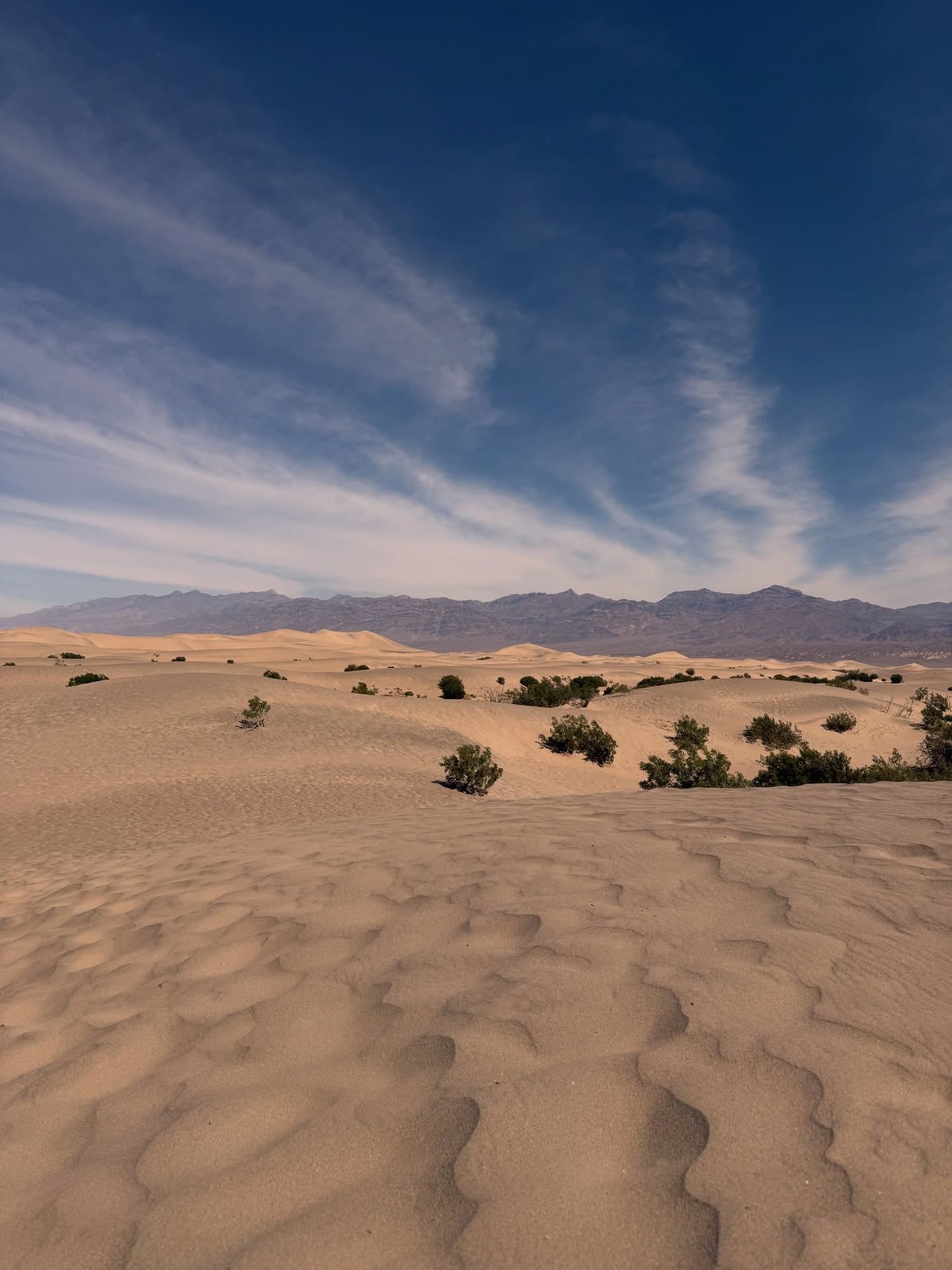
Spanning over 3.3 million acres in Eastern California, Death Valley contrasts North America's lowest point at 282 feet below sea level with the 11,049-foot summit of Telescope Peak. Visitors walk across vast geometric salt flats, explore the rims of 2,000-year-old volcanic craters, and navigate towering sand dunes.
Find Guided ToursDeath Valley is a massive desert valley in Eastern California, situated within the northern Mojave Desert where it borders the Great Basin Desert. Covering over 3.3 million acres, it holds the official designation as the hottest, driest, and lowest national park in the United States. The terrain features extreme elevation changes. Badwater Basin sits at 282 feet below sea level, marking the lowest land elevation point in North America. Less than 20 miles away, the landscape rises sharply to 11,049 feet at Telescope Peak in the Panamint Range.
Geologically, Death Valley is a graben, or rift valley. The 3,000-square-mile basin formed through vertical block faulting that began approximately 30 million years ago. Today, it runs north to south between the Amargosa Range on the east and the Panamint Range on the west. This extreme environment serves as a vital natural laboratory for scientists studying desert physiography, geology, and unique ecosystems. It also holds global significance as the site of the hottest surface temperature ever recorded on Earth.
Long before European contact, the region served as the ancestral homeland of the Timbisha Shoshone tribe, who have inhabited the valley for at least a millennium. The area received its current English name in 1849. A hapless party of gold-seeking emigrants suffered terribly while attempting to cross the desolate landscape, forever branding the region in American lore.
Decades later, the valley became a highly profitable center for borax mining. Between 1883 and 1888, operations at the Harmony Borax Works popularized the iconic 20-mule team wagons used to haul minerals across the desert. Recognizing the area's unique characteristics, President Herbert Hoover designated Death Valley as a national monument in 1933. Congress later elevated its status, officially establishing it as a national park in 1994.
Discover the full history and cultural significance on our About page.
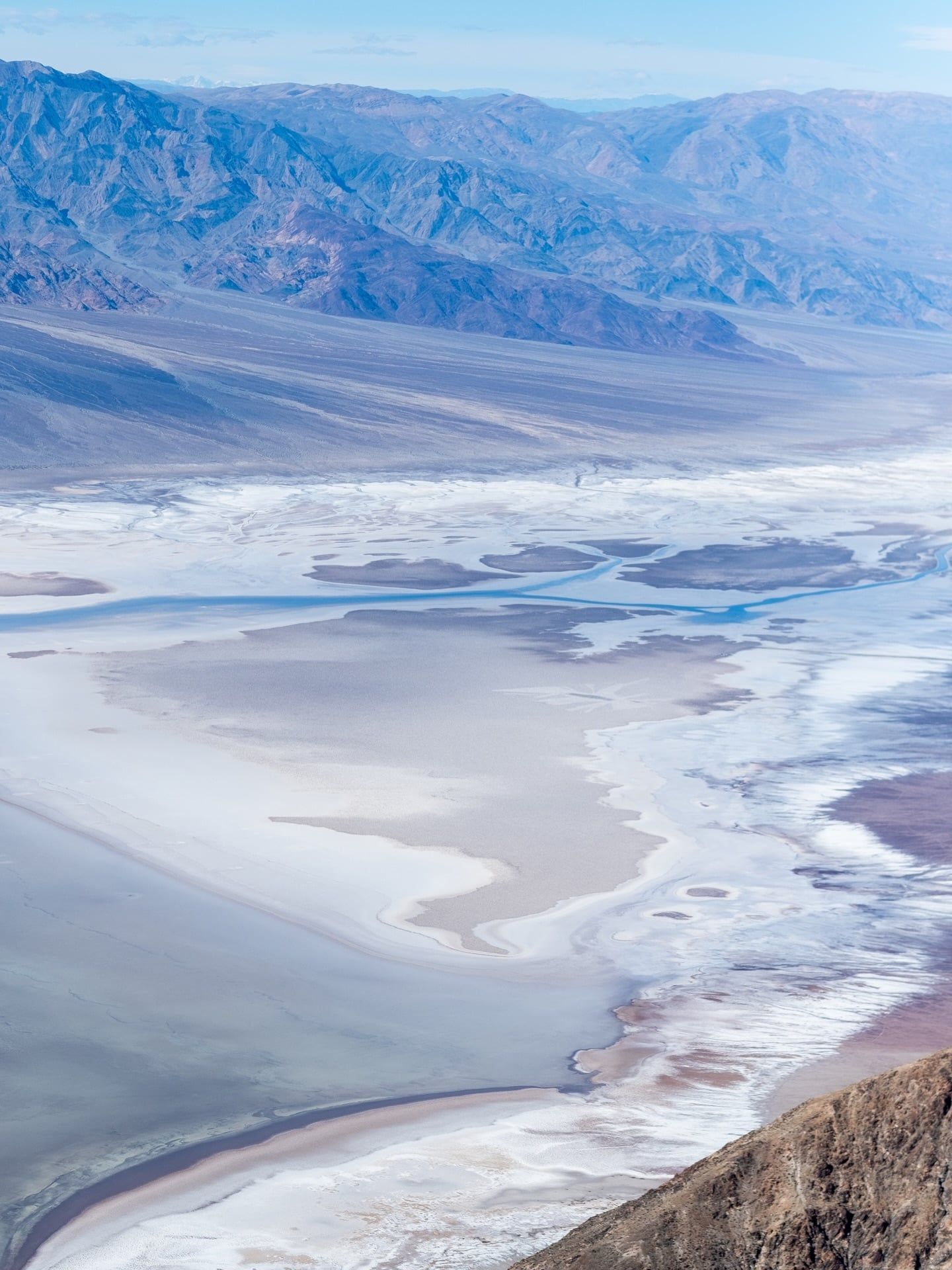
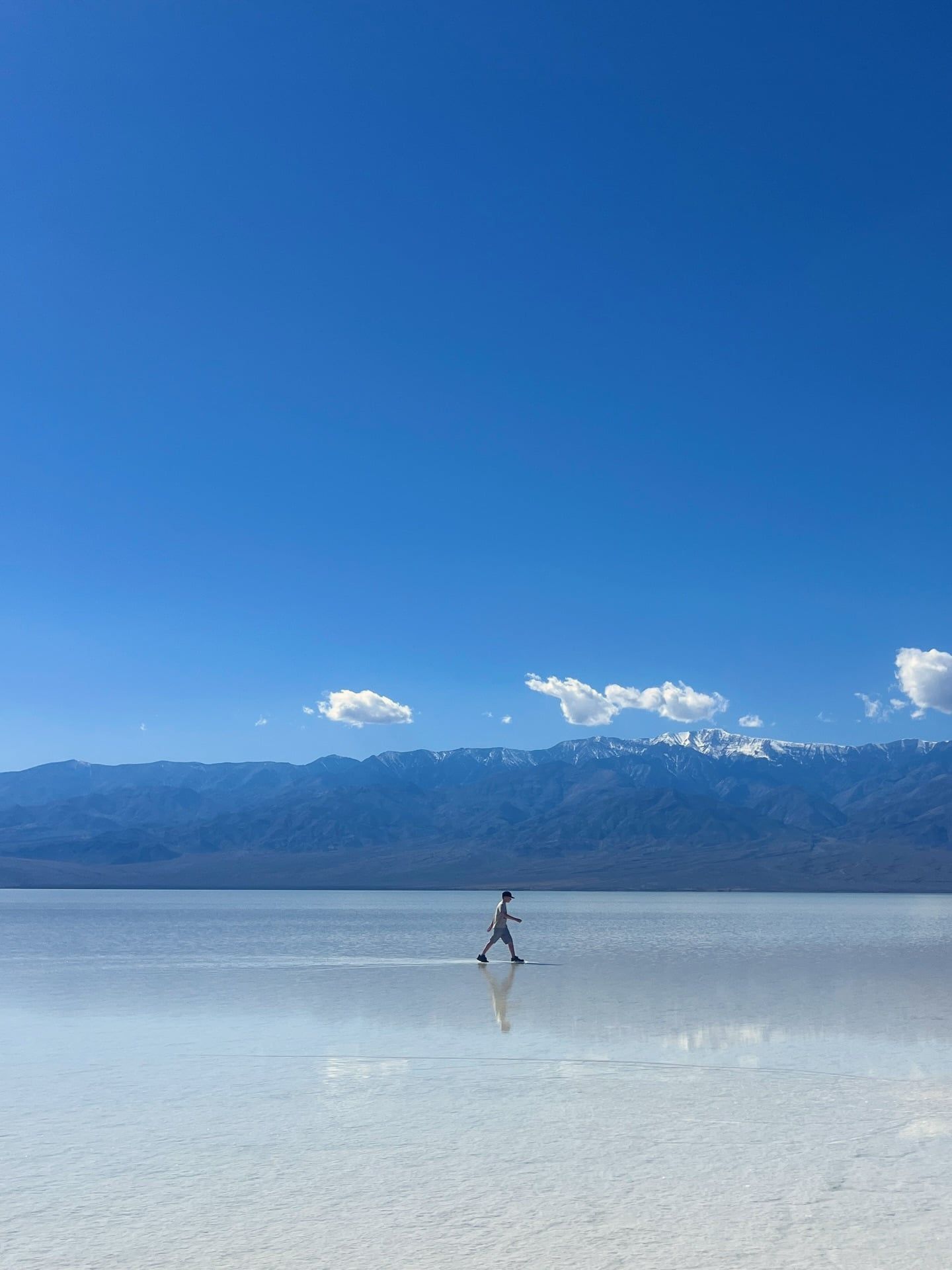
Stand at the lowest point in North America, sitting 282 feet below sea level. These massive white salt flats feature sharp, geometric salt crusts stretching across the valley floor. During rare wet years, a shallow lake forms here, creating mirror-like reflections of the surrounding mountain ranges.
Formed by a massive steam explosion roughly 2,000 years ago, this volcanic crater measures half a mile wide. You can walk along the steep rim trail to view its immense depth. For a closer look at its desolate beauty, hike all the way down to the very bottom.
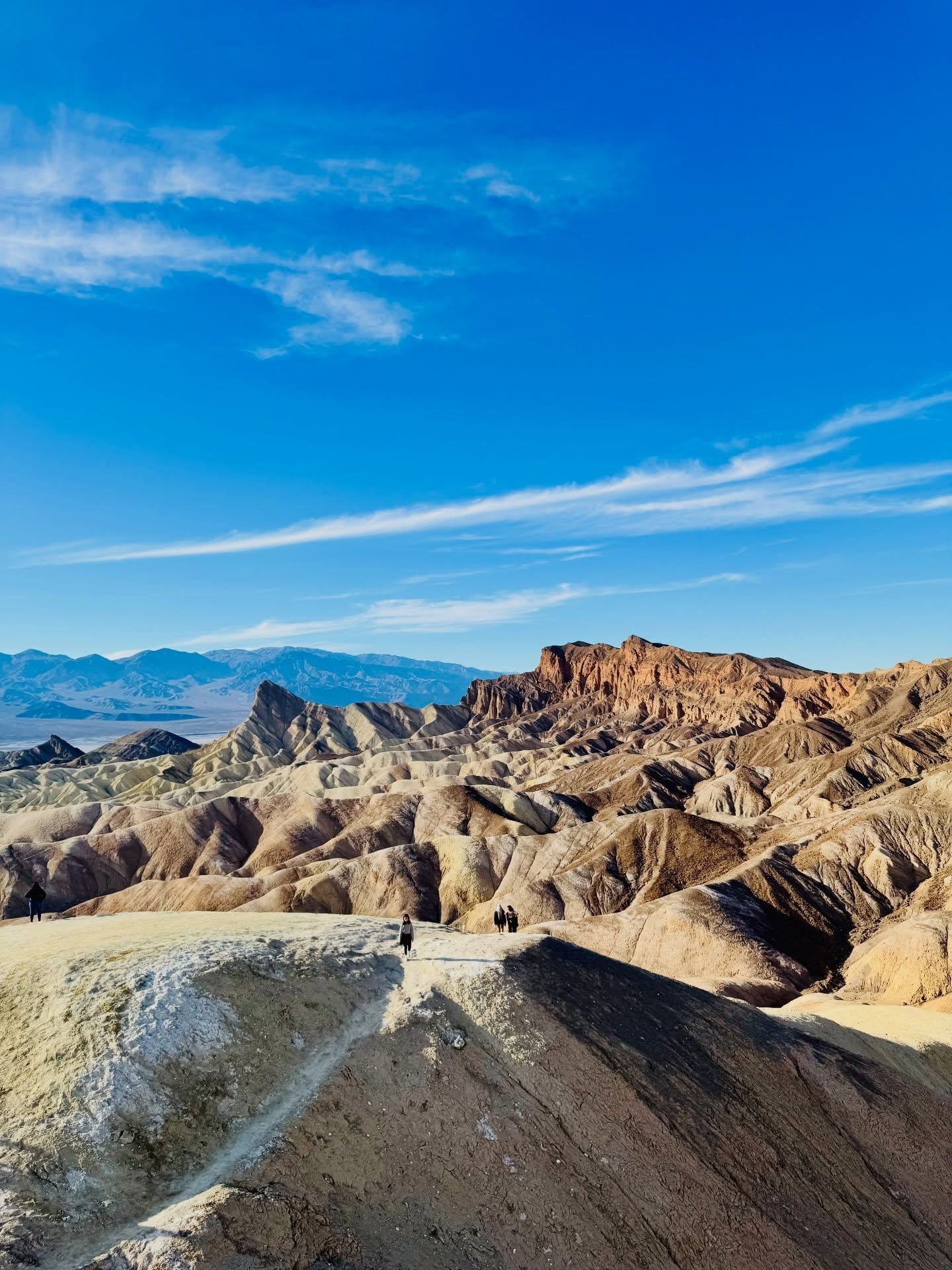
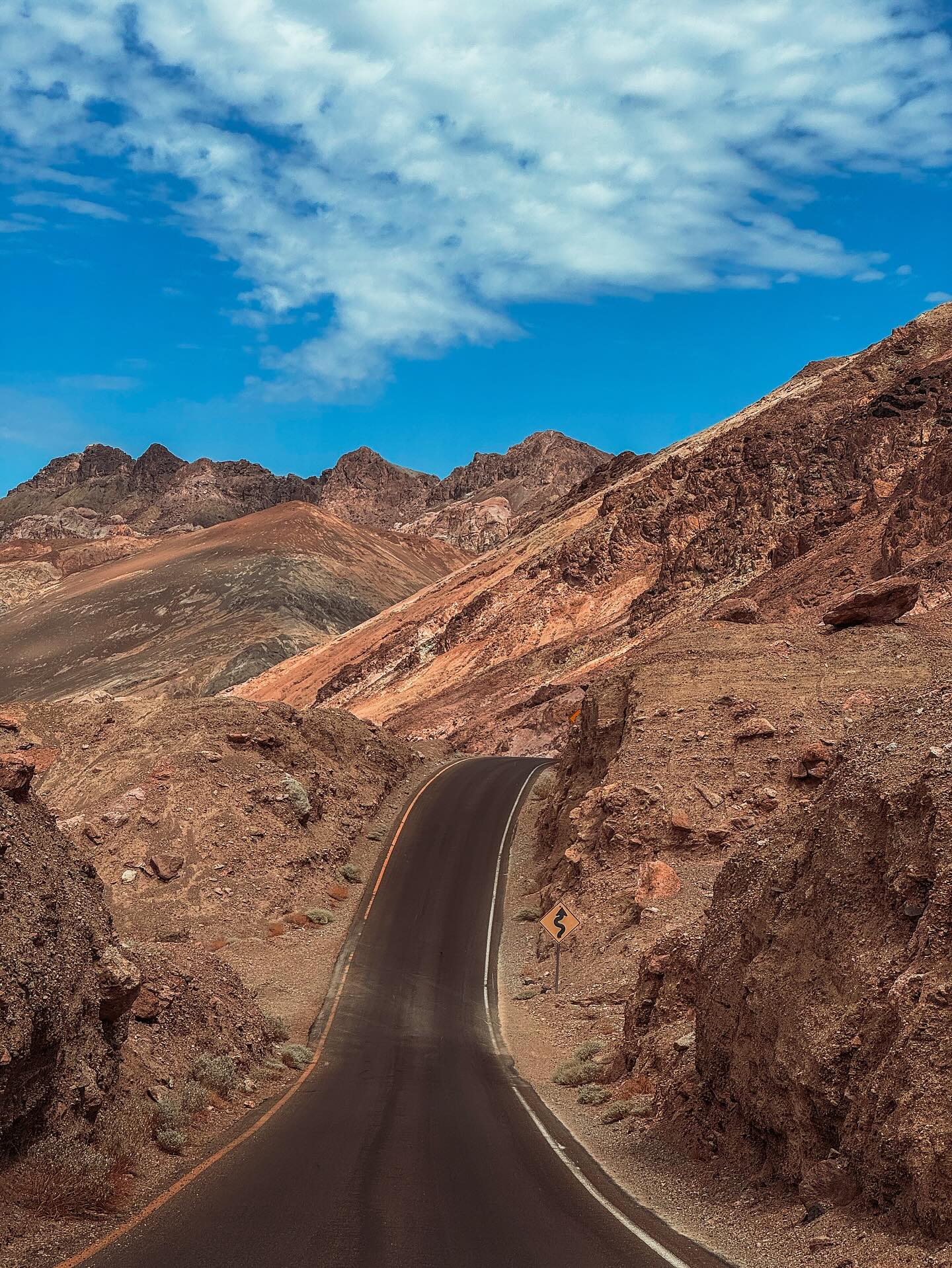
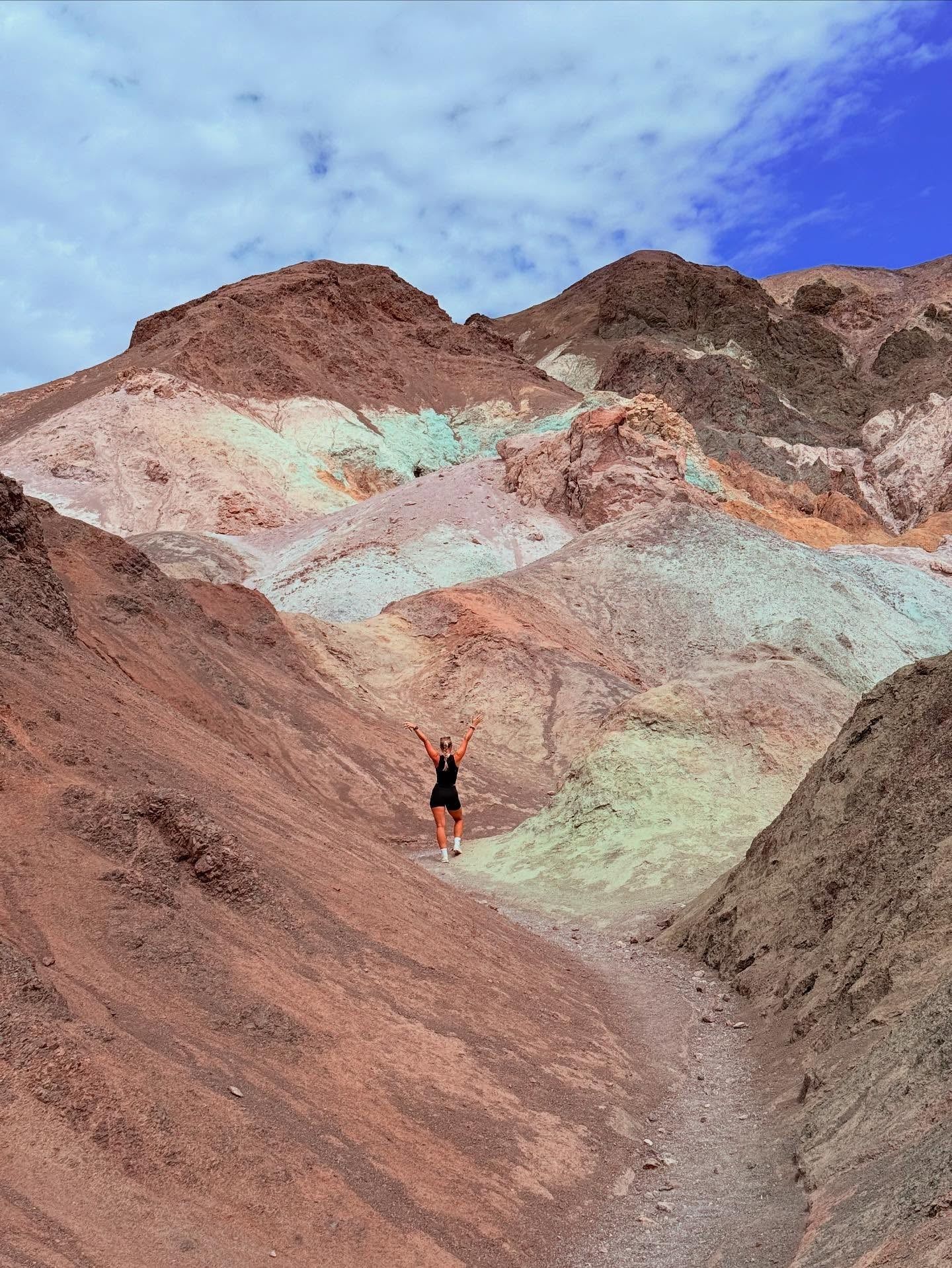
Navigate this one-way scenic road to see hillsides splashed with distinct shades of green, pink, gold, and purple. Rich volcanic mineral deposits oxidized to create these striking colors. The resulting canyon walls resemble a giant hand-painted canvas rising out of the harsh desert landscape.
Seasoned hikers can tackle this strenuous 14-mile round-trip trail. The route climbs steadily from 8,000 feet up to the park's highest summit at 11,049 feet. You will pass through groves of ancient bristlecone pines before reaching spectacular 360-degree views of the entire 3,000-square-mile rift valley.
Hand-picked tours with free cancellation and verified reviews
 Free Cancellation
  Free Cancellation 12h
  Free Cancellation 10h
  Free Cancellation 11h
  Free Cancellation 10h
  Free Cancellation 10h
  Free Cancellation
  Free Cancellation 11h
 The ideal time to visit Death Valley is from November to March, when daytime temperatures range from a comfortable 60°F to 80°F. Travel between April and October is highly discouraged due to life-threatening heat.
March offers comfortable weather for hiking and stargazing, but April and May mark the beginning of the hot season. Outdoor activities become increasingly hazardous as temperatures rapidly rise.
This period brings peak extreme heat, with temperatures regularly exceeding 120°F and occasionally reaching 130°F. Outdoor activities are highly dangerous, limiting visitors to brief walks near air-conditioned vehicles.
September and October remain dangerously hot, severely limiting outdoor exploration. By November, daytime highs finally drop to a comfortable 60°F to 80°F, making it an excellent time for camping.
Winter provides the safest conditions for exploring the park. Daytime temperatures stay between 60°F and 80°F, creating an ideal environment for hiking, camping, and stargazing under clear night skies.
Death Valley National Park remains open 24 hours a day, seven days a week, year-round. Visitors can enter and exit the park at any time. However, specific facilities maintain set operating times. The Furnace Creek Visitor Center is open daily from 8:00 AM to 5:00 PM.
| Category | Price |
|---|---|
| Private, non-commercial vehicle (valid for 7 days) | $30.00 |
| Motorcycle | $25.00 |
| Individual walk-in or bicyclist | $15.00 |
| Death Valley Annual Pass | $55.00 |
| America the Beautiful Annual Pass | $80.00 |
| Children (age 16 and under) | Free |
| Disabled individuals, veterans, active military, and families with fourth-grade students | Free |
The park operates on a strictly cashless payment system. All fees must be paid using a credit card, debit card, or digital payment at visitor centers or 24/7 automated fee machines. Entrance fees are waived on specific dates, including Juneteenth (June 19) and during National Park Week.
For complete schedules and ticket prices, visit our Hours & Fees page.
Reaching the park requires a private vehicle, rental car, or private transfer, as there is no public transportation or shuttle service available. Visitors may also choose to join a permitted commercial tour group to navigate the region.
Drive west from Harry Reid International Airport via Highway 160 to reach the eastern park entrance at Death Valley Junction. From this point, expect an additional 30-minute drive to arrive at the Furnace Creek Visitor Center. Renting a vehicle or booking a private transfer is essential due to the complete lack of public transit options.
Travelers originating from Los Angeles will approach the western entrance of the park near Panamint Springs. The drive covers 270 miles across remote desert highways. Visitors must ensure their vehicle is in excellent mechanical condition before attempting this route. Drivers should also fill their gas tanks in surrounding towns to avoid high in-park prices.
Visitors who prefer not to drive a private vehicle can join a permitted commercial tour group. This alternative bypasses the need for a rental car while ensuring safe navigation through the extreme desert environment. Tour operators manage the driving logistics completely. This remains the primary guided option since the park provides no internal shuttle service.
For detailed transport options and routes, visit our Directions page.
The desert environment is excessively dry, even during the cooler winter months. The National Park Service recommends drinking two to four liters of water daily to prevent severe dehydration. Always pack a minimum of one gallon of water per person per day.
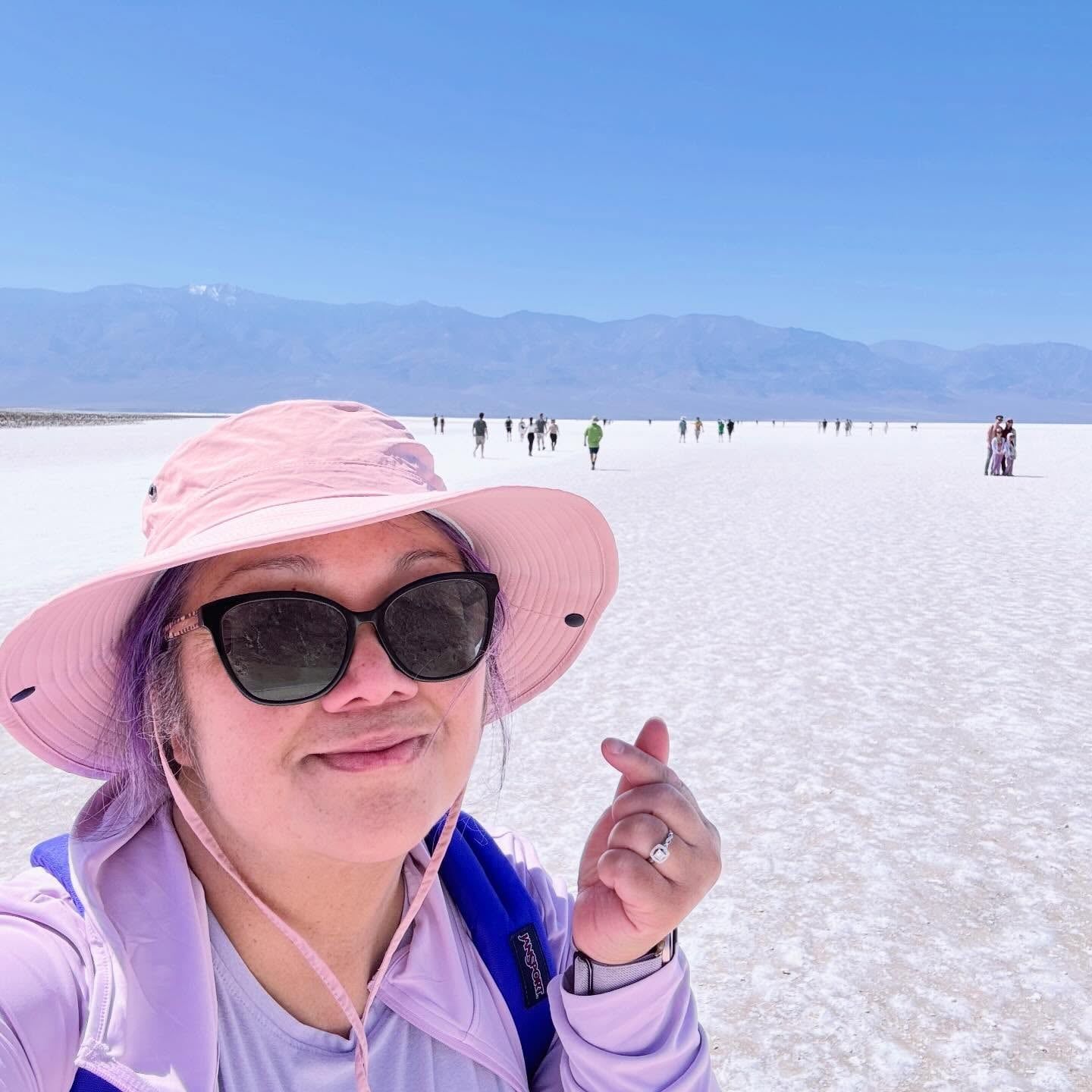
Walking out onto the lowest point in North America at 282 feet below sea level requires preparation. The white salt crust at Badwater Basin looks deceptively soft like snow. You need sturdy water shoes or sandals to protect your feet from the sharp, painful salt crystals.
Gasoline prices inside the park are notoriously high and can reach $5 to $6 per gallon. There is no public transportation or shuttle service available within the 3,000-square-mile park. Fill up your vehicle in surrounding towns before entering to save money on your trip.
Death Valley transitioned to a completely cashless payment system on June 1, 2023. You must pay the $30 standard vehicle entrance fee using a credit card, debit card, or digital payment. Purchase your pass at the Furnace Creek Visitor Center or use the 24/7 automated fee machines.
Single-vehicle rollover accidents on long, winding desert roads are the leading cause of visitor fatalities. The National Park Service and California Highway Patrol actively enforce speed limits. Rely on your vehicle's cruise control and shift to low gear on steep downhill grades to maintain safe speeds.
The park preserves over 3.3 million acres, and many remote backcountry routes remain unpaved and rough. Always check current road conditions at the visitor center before heading to areas like Titus Canyon. Safely navigating these isolated desert roads often requires a high-clearance 4WD vehicle.
This abandoned gold rush town from the early 1900s features crumbling concrete ruins and an old train station. Visitors can explore the Goldwell Open Air Museum and see the remains of a short-lived boomtown that once housed thousands of residents.
Preserving the largest remaining oasis in the Mojave Desert, this refuge features crystal-clear spring pools and unique wetlands. Wheelchair-accessible boardwalks allow visitors to view rare, endemic plants and wildlife thriving in this sanctuary.
More than 500 tufa spires rise dramatically from the dry bed of Searles Lake. These bizarre, tower-like calcium carbonate formations create an otherworldly landscape that frequently serves as a filming location for science fiction movies.
Read what travelers share about their experience visiting Death Valley — from practical tips to personal highlights.
The standard entrance fee is $30 for a private vehicle, which covers all passengers for seven days. Motorcycles cost $25, and individual walk-ins or cyclists pay $15. The park operates a completely cashless system, so you must pay with a card or digital payment at visitor centers or 24-hour automated machines.
The optimal time to visit is between November and March. Daytime high temperatures during these winter months range from 60°F to 80°F, making outdoor activities safe. Visiting between April and October is highly discouraged due to extreme heat that regularly exceeds 120°F.
Death Valley is located 120 miles from Las Vegas, which takes about two hours by car. Drive west on Highway 160 to the eastern entrance at Death Valley Junction, then continue 30 minutes to the Furnace Creek Visitor Center. There is no public transportation, so you will need to rent a car or book a private transfer.
The drive from Los Angeles to the park's western entrance near Panamint Springs covers 270 miles and takes approximately five hours. Fill up your gas tank in surrounding towns before entering the park boundaries. Gasoline prices inside the park are notoriously high, typically ranging from $5 to $6 per gallon.
Bring at least one gallon of water per person per day, as the National Park Service recommends drinking two to four liters daily. Pack hats, sunglasses, sunscreen, and lightweight layers to protect against the intense sun. You should also bring sturdy water shoes or sandals if you plan to walk on the sharp salt crystals at Badwater Basin.
Yes, the park maintains several accessible options for visitors. The Salt Creek Trail features a one-mile wheelchair-accessible wooden boardwalk loop. Major sights like Badwater Basin and Dante's View also offer paved paths and ramps.
A four-day itinerary is recommended to see the park's diverse landscapes without rushing. While a quick day trip from Las Vegas is possible, spreading your visit over several days allows time for hiking, scenic drives, and stargazing. The park spans over 3.3 million acres, meaning travel times between sights can be long.
Launching or operating drones is strictly prohibited anywhere within park boundaries without written approval from the superintendent. Commercial filming, still photography, and weddings require a Special Use Permit. You must apply for these permits through the National Park Service at least 30 to 60 days in advance.
Browse verified tours with free cancellation and instant confirmation.
Find Tours